The Science Behind Home Health Assessments and Environmental Testing
A home can look clean, feel comfortable, and still contain hidden environmental risks.
A home can look clean, feel comfortable, and still contain hidden environmental risks.
The air may carry mold spores, fine particles, allergens, or chemical vapors. The water may contain lead, PFAS, arsenic, nitrates, or other contaminants that do not change its taste or smell. A basement may feel “a little musty” while moisture supports microbial growth behind drywall. A bedroom may seem normal, but have poor ventilation, dust buildup, or pollutants that affect sleep and breathing.
That is where home health assessments and environmental testing come in.
The goal is not to make families afraid of their homes. The goal is to replace guessing with evidence. A strong home health assessment connects three things: what people are experiencing, what the building is showing, and what testing can confirm.
For Nestwell, this is the foundation of smarter home health: helping people understand environmental risk, interpret what it means, and take the next best step with confidence.
What Are Home Health Assessments?
A home health assessment is a structured review of the environmental conditions inside and around a home that may affect health, comfort, and long-term safety.
It looks at the home as a living system. Air, water, moisture, ventilation, materials, filtration, occupant habits, and outdoor conditions all interact. A home health assessment helps identify where hidden risks may exist and whether testing is needed.
A complete home health assessment may evaluate:
- Indoor air quality
- Drinking water quality
- Mold and moisture risk
- Ventilation and airflow
- Dust, allergens, and particles
- Radon risk
- Chemical exposure sources
- Combustion appliance concerns
- Humidity levels
- Building materials and renovation history
- Occupant symptoms and room-by-room patterns
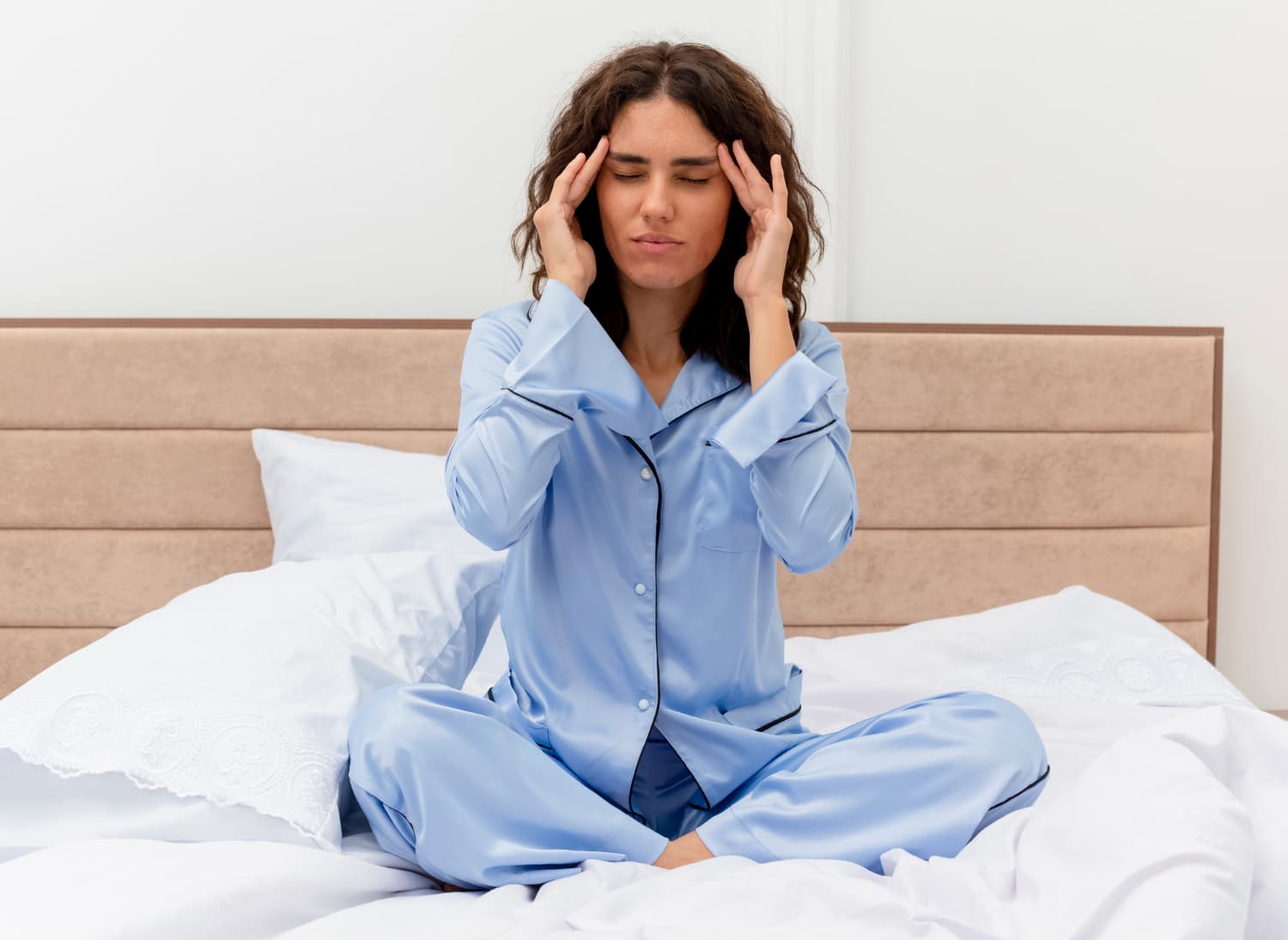
This matters because environmental health problems rarely come from one isolated factor. A child’s nighttime cough may involve dust mites, mold, humidity, poor ventilation, or outdoor pollution entering the bedroom. A parent’s headaches may involve carbon monoxide risk, VOCs, poor airflow, or another medical cause. Testing helps clarify the picture.
What Is Environmental Testing?
Environmental testing is the process of collecting samples or measurements from the home environment to identify potential health-related hazards.
Depending on the concern, testing may involve:
- Air samples
- Dust samples
- Surface samples
- Water samples
- Radon tests
- Humidity readings
- Particulate matter monitoring
- VOC screening
- Mold or moisture investigation
- Lead testing
- PFAS or other drinking water contaminant testing
The keyword is context. A test result is only useful when it is interpreted in relation to the home, the people living there, and the source of exposure.
For example, a mold test without moisture investigation may tell you something is present, but not why it is happening. A water test may identify a contaminant, but the next step depends on concentration, water source, household vulnerability, and whether treatment is available. A particulate monitor may show elevated particles, but the source could be cooking, wildfire smoke, candles, outdoor air, or poor filtration.
Good environmental testing does not just produce data. It helps answer better questions.
Why Home Health Assessments Are Becoming More Important
Most people spend a large share of their lives indoors. The EPA notes that indoor air pollution sources that release gases or particles are the primary cause of indoor air quality problems, and that some health effects may appear after a single exposure or repeated exposures, including eye, nose, and throat irritation, headaches, dizziness, and fatigue. (US EPA)
The home environment has become even more important because of several trends:
- More people work from home
- Children spend significant time indoors
- Wildfire smoke events are affecting more communities
- Homes are often sealed more tightly for energy efficiency
- Consumer products introduce chemical exposures indoors
- Older housing may contain lead, asbestos, or outdated materials
- Water contamination concerns are more widely recognized
- Families are more aware of asthma, allergies, sleep, and chronic symptoms
Indoor environmental health is not a fringe concern. It is central to how families sleep, breathe, recover, and function.
The Core Science: Exposure, Dose, Duration, and Vulnerability
The science behind home health assessments starts with a simple framework: health risk depends on exposure.
Environmental health professionals often think in terms of four basic questions.
1. What Is the Hazard?
A hazard is something that can potentially cause harm. In a home, hazards may include mold, lead, radon, carbon monoxide, PFAS, pesticides, particulate matter, allergens, VOCs, or contaminated drinking water.
Not every hazard creates the same risk. Some are irritants. Some are allergens. Some are carcinogens. Some affect development. Some become dangerous only at certain levels or under certain conditions.
2. How Are People Exposed?
Exposure route matters. A person may be exposed by:
- Breathing contaminated air
- Drinking contaminated water
- Eating food prepared with contaminated water
- Touching contaminated surfaces
- Ingesting dust through hand-to-mouth behavior
- Spending time in damp or poorly ventilated rooms
Children have unique exposure patterns. They crawl, touch floors, put their hands and objects in their mouths, and breathe more air relative to body size than adults.
3. What Is the Dose?
Dose refers to how much of a substance reaches the body. Higher concentrations usually matter more, but low-level repeated exposure can also be important.
For example, drinking water with a contaminant every day may create more meaningful long-term exposure than a one-time contact. Similarly, sleeping eight hours every night in a damp, mold-affected bedroom may matter more than briefly walking through a musty basement.
4. How Long Does Exposure Last?
Duration matters. Some exposures are acute, meaning short-term. Others are chronic, meaning repeated over months or years.
Radon is a good example of a long-term exposure concern. The EPA states that radon is a naturally occurring radioactive gas that can cause lung cancer, cannot be seen or smelled, and that testing is the only way to know your level of exposure. (US EPA)
5. Who Is Being Exposed?
The same environmental condition may affect people differently.
Higher-risk groups often include:
- Infants and young children
- Pregnant people
- Older adults
- People with asthma
- People with allergies
- People with chronic lung disease
- People with heart disease
- People with weakened immune systems
- People who spend most of their time at home
This is why a home health assessment should not only ask, “What is in the home?” It should also ask, “Who lives here, and what are they experiencing?”
What Home Health Assessments Typically Evaluate
A science-based assessment looks across multiple environmental categories rather than focusing on one issue in isolation.
1. Indoor Air Quality
Indoor air quality is one of the most important areas of home health. The National Institute of Environmental Health Sciences notes that indoor air can be polluted by smoke, vapors, mold, and chemicals from paints, furnishings, and cleaners. (NIEHS)
Common indoor air concerns include:
- Fine particulate matter
- Mold spores and fragments
- Dust mites
- Pet dander
- Pollen
- VOCs
- Carbon monoxide
- Nitrogen dioxide from gas appliances
- Smoke from fireplaces, candles, or wildfire events
- Poor ventilation
- Humidity imbalance
Indoor air quality can affect comfort, sleep, respiratory symptoms, asthma, allergies, headaches, and energy.
Why air testing needs context
Air changes constantly. A reading may vary by time of day, weather, cooking activity, HVAC use, humidity, ventilation, and whether windows are open. That means air testing should be interpreted alongside occupant symptoms, building conditions, and source clues.
A high particle reading after frying food means something different from a high reading during wildfire smoke or a musty basement inspection.
2. Mold and Moisture
Mold testing is one of the most misunderstood areas of environmental testing. Mold is not just an air problem. It is usually a moisture problem.
The CDC notes that people who spend time in damp buildings report health problems, including respiratory symptoms and infections, developing or worsening asthma, hypersensitivity pneumonitis, allergic rhinitis, and eczema. (CDC)
A mold-focused assessment may look for:
- Past leaks
- Roof or plumbing issues
- Basement dampness
- Window condensation
- Musty odors
- Visible growth
- High humidity
- HVAC condensation
- Bathroom ventilation problems
- Water-stained materials
- Warped flooring or damaged drywall
The science is straightforward: mold needs moisture. If moisture persists, mold can grow on organic materials. Testing may help identify mold presence or patterns, but the long-term solution is moisture control.
What families often miss
Many families look only for visible mold. But moisture clues can be just as important:
- A musty smell
- Repeated condensation
- Peeling paint
- Soft drywall
- Water stains
- Basement humidity
- Recurring bathroom mildew
- Symptoms worse in one room
A home health assessment helps connect these clues before the problem becomes larger.
3. Drinking Water Quality
Water testing is essential because many drinking water contaminants are invisible. Water may look clear and taste normal while still containing substances of concern.
The EPA’s home drinking water testing guidance emphasizes that testing helps identify whether contaminants are present and can guide decisions about treatment, especially for households using private wells. (US EPA)
Environmental testing may look for contaminants such as:
- Lead
- Arsenic
- Nitrates
- Bacteria
- PFAS
- Volatile organic compounds
- Pesticides
- Copper
- Hardness and minerals
- Disinfection byproducts
- Regional contaminants
Testing needs to match the water source and local risk. A private well near agricultural activity has a different risk profile than municipal water in an older home with lead service lines or plumbing.
Public water vs. private well testing
Public water systems are regulated and typically provide water quality reports. Private well owners are generally responsible for their own testing.
A home health assessment can help determine what to test based on:
- Water source
- Home age
- Plumbing materials
- Local contamination concerns
- Nearby land use
- Household health vulnerabilities
- Taste, odor, staining, or fixture changes
4. Radon
Radon is one of the clearest examples of why environmental testing matters. You cannot see it, smell it, or taste it.
Radon is a radioactive gas that comes from the natural breakdown of uranium in soil and rock. It can enter homes through foundation cracks, gaps, drains, crawl spaces, and other openings. Long-term exposure increases lung cancer risk. The EPA states that all homes should be tested for radon. (US EPA)
A radon assessment usually involves:
- Short-term or long-term radon testing
- Lower-level living space evaluation
- Basement or crawl space considerations
- Foundation and ventilation review
- Mitigation recommendations if levels are elevated
Radon testing is one of the most useful environmental tests because the result can lead to a clear action: mitigation.
5. Dust and Allergen Load
House dust is more than an aesthetic issue. It can contain allergens, fibers, outdoor particles, skin cells, pest fragments, chemicals, lead in older homes, and residues from consumer products.
A dust-related assessment may consider:
- Dust mite conditions
- Pet dander
- Pollen entry
- HVAC filtration
- Carpets and textiles
- Cleaning routines
- Lead dust risk in older homes
- Pest-related allergens
- Indoor chemical residues
Dust exposure is especially relevant for babies and young children because of hand-to-mouth behavior.
6. Chemical and VOC Sources
Volatile organic compounds, or VOCs, are chemicals that can evaporate into indoor air from household products and materials.
Possible sources include:
- Paints
- Adhesives
- Flooring
- Furniture
- Cleaning products
- Air fresheners
- Scented candles
- Solvents
- Stored chemicals
- Personal care products
- Renovation materials
A home health assessment may not always require advanced chemical testing. Sometimes the first step is source identification: what products are used, where they are stored, how often they are used, and whether ventilation is adequate.
The Testing Methods: How Environmental Data Is Collected
Environmental testing uses different methods depending on the question.
Air Sampling
Air sampling can measure particles, mold spores, VOCs, or other airborne contaminants. It is useful when the concern is inhalation exposure, but results can change quickly depending on conditions.
Surface Sampling
Surface samples may help evaluate visible growth, settled dust, residues, or contamination on specific materials. These samples are often used when a visible or localized concern exists.
Dust Sampling
Dust sampling can be useful for allergens, lead, and certain chemicals. Dust can provide a picture of what accumulates over time, especially where children crawl or play.
Water Sampling
Water testing requires careful collection because sample handling can affect results. Depending on the concern, the test may require first-draw water, flushed water, sterile containers, preservatives, or certified lab analysis.
Radon Testing
Radon testing may use charcoal canisters, alpha track detectors, electret ion chambers, or continuous radon monitors. Short-term tests provide quick screening, while long-term tests better represent annual average exposure.
Moisture Measurement
Moisture meters, infrared cameras, humidity monitors, and visual inspection can help identify damp areas that may support mold growth.
Testing is strongest when the method matches the question.
What Environmental Testing Can and Cannot Tell You
Environmental testing is powerful, but it is not magic. A good assessment explains both the value and the limits of the data.
Environmental testing can help:
- Identify hidden risks
- Confirm suspected contaminants
- Establish a baseline
- Prioritize next steps
- Guide filtration, remediation, or mitigation
- Support conversations with medical or home professionals
- Track whether interventions worked
- Reduce uncertainty
Environmental testing cannot always:
- Prove that a symptom was caused by one contaminant
- Capture every exposure from a single sample
- Replace medical diagnosis
- Fix the source of the problem by itself
- Tell the full story without a home context
- Guarantee that conditions will stay the same over time
This distinction is important. A test result is a tool for decision-making, not a complete diagnosis.
Why Symptoms Alone Are Not Enough
Many home-related symptoms overlap with common health issues.
For example:
- Mold exposure symptoms can resemble allergies or colds
- Poor ventilation can feel like fatigue or brain fog
- Dry air can irritate the throat and skin
- Dust mites can trigger congestion and asthma
- VOCs can cause headaches or irritation in sensitive people
- Carbon monoxide can mimic flu-like illness and requires urgent attention
Symptoms matter, but they need context.
A strong home health assessment asks:
- Who has symptoms?
- When did they start?
- Are they worse in specific rooms?
- Are they worse at night or in the morning?
- Do they improve away from home?
- Did they start after a leak, renovation, new furniture, or weather event?
- Are multiple people affected?
- Are pets affected?
- Are there visible building clues?
This pattern-based approach is often what families miss when they look at symptoms one by one.
The Best Home Health Assessments Combine Data and Judgment
The strongest assessments do not rely on one test. They combine multiple forms of evidence.
A practical home health framework includes:
- IntakeHousehold concerns, symptoms, vulnerabilities, water source, home age, and known history.
- Environmental contextLocal air quality, regional water risks, climate, radon potential, wildfire exposure, and nearby land use.
- Building reviewMoisture, ventilation, filtration, materials, appliances, and room-by-room risk.
- Targeted testingAir, water, dust, mold, radon, or chemical testing based on likely risk.
- InterpretationResults explained in plain language with health relevance and limitations.
- Action planPractical next steps: repair, ventilate, filter, clean, test again, remediate, or consult a specialist.
This is the difference between “here is a lab value” and “here is what this means for your home.”
Actionable Recommendations for Families
A home health assessment does not have to start with expensive testing. Families can begin with structured observation.
Start With a Room-by-Room Walkthrough
Look for:
- Musty odors
- Water stains
- Condensation
- Visible mold
- Dust buildup
- Poor airflow
- Blocked vents
- Stored chemicals
- Damp closets
- Leaky fixtures
- Staining around taps or drains
- Rooms where symptoms seem worse
Prioritize Bedrooms
Bedrooms matter because people spend long, uninterrupted hours there. Poor air quality during sleep can contribute to congestion, coughing, poor rest, and fatigue.
Check for:
- Dust reservoirs
- Humidity issues
- Poor ventilation
- Pet dander
- Old pillows or mattresses
- Window condensation
- Musty smells
- HVAC airflow problems
Know Your Water Source
Ask:
- Do you use municipal water or a private well?
- Has your water been tested recently?
- Is your home older with possible lead plumbing concerns?
- Are there known PFAS, arsenic, nitrate, or industrial concerns nearby?
- Do you use water for infant formula?
Test for Radon
Radon testing is simple, practical, and strongly supported by public health guidance. Because radon is invisible, testing is the only way to know your exposure level.
Fix Moisture Quickly
Moisture problems should not wait.
Focus on:
- Leaks
- Poor bathroom ventilation
- Basement dampness
- Roof issues
- Window condensation
- Plumbing problems
- Drainage around the home
Use Filtration Strategically
Filtration can help, but it should match the problem.
Examples:
- HEPA air purifier for particles, smoke, dust, and allergens
- HVAC filter upgrade if the system can handle it
- Certified water filter for specific contaminants
- Reverse osmosis for certain drinking water concerns
- Dehumidifier for damp areas
The right filter depends on the contaminant. Generic “clean air” or “clean water” claims are not enough.
FAQ: Home Health Assessments and Environmental Testing
1. What is a home health assessment?
A home health assessment is a structured review of environmental conditions inside a home that may affect health. It may evaluate air quality, water quality, mold and moisture, radon, ventilation, dust, allergens, chemicals, and building conditions.
2. What is environmental testing in a home?
Environmental testing uses samples or measurements to identify possible hazards in a home, such as mold, radon, lead, PFAS, drinking water contaminants, allergens, VOCs, particulate matter, or moisture-related risks.
3. When should a family consider environmental testing?
A family should consider environmental testing when there are unexplained symptoms, musty odors, water damage, visible mold, older plumbing, private well water, asthma flare-ups, recurring headaches, poor sleep, or concerns about radon, lead, PFAS, or indoor air quality.
4. Can a home health assessment tell me why I feel sick?
A home health assessment can identify environmental factors that may contribute to symptoms, but it does not replace a medical diagnosis. It is most useful when paired with medical care, symptom tracking, and targeted testing.
5. What is the most important environmental test for a home?
There is no single most important test for every home. Radon testing is widely recommended because radon is invisible and linked to lung cancer. Water, mold, air, lead, or PFAS testing may be more urgent depending on the home, location, and household risks.
6. Are home environmental tests accurate?
Home environmental tests can be accurate when the right test is used, samples are collected correctly, and results are interpreted in context. Certified lab testing is usually more reliable than informal visual checks or non-specific consumer devices.
Conclusion: Better Home Health Starts With Better Information
A healthy home is not defined by how clean it looks. It is shaped by the air people breathe, the water they drink, the moisture the building holds, the materials inside it, and the invisible exposures that accumulate over time.
That is why home health assessments and environmental testing are so valuable. They help families move from vague concern to clear information.
You do not need to guess whether your home is affecting your sleep, breathing, energy, or long-term health. You can investigate it systematically.
Nestwell helps families understand hidden environmental risks inside the home and turn that information into practical next steps. When the question is “Could my home be affecting my health?” the right assessment can make the answer clearer, calmer, and more actionable.