Mold Exposure Symptoms: What Most Families Miss
A child wakes up congested again. One parent keeps getting headaches in the bedroom. Someone has a cough that never fully goes away. Everyone assumes it is allergies, a stubborn cold, dry winter air, or “just one of those things.”
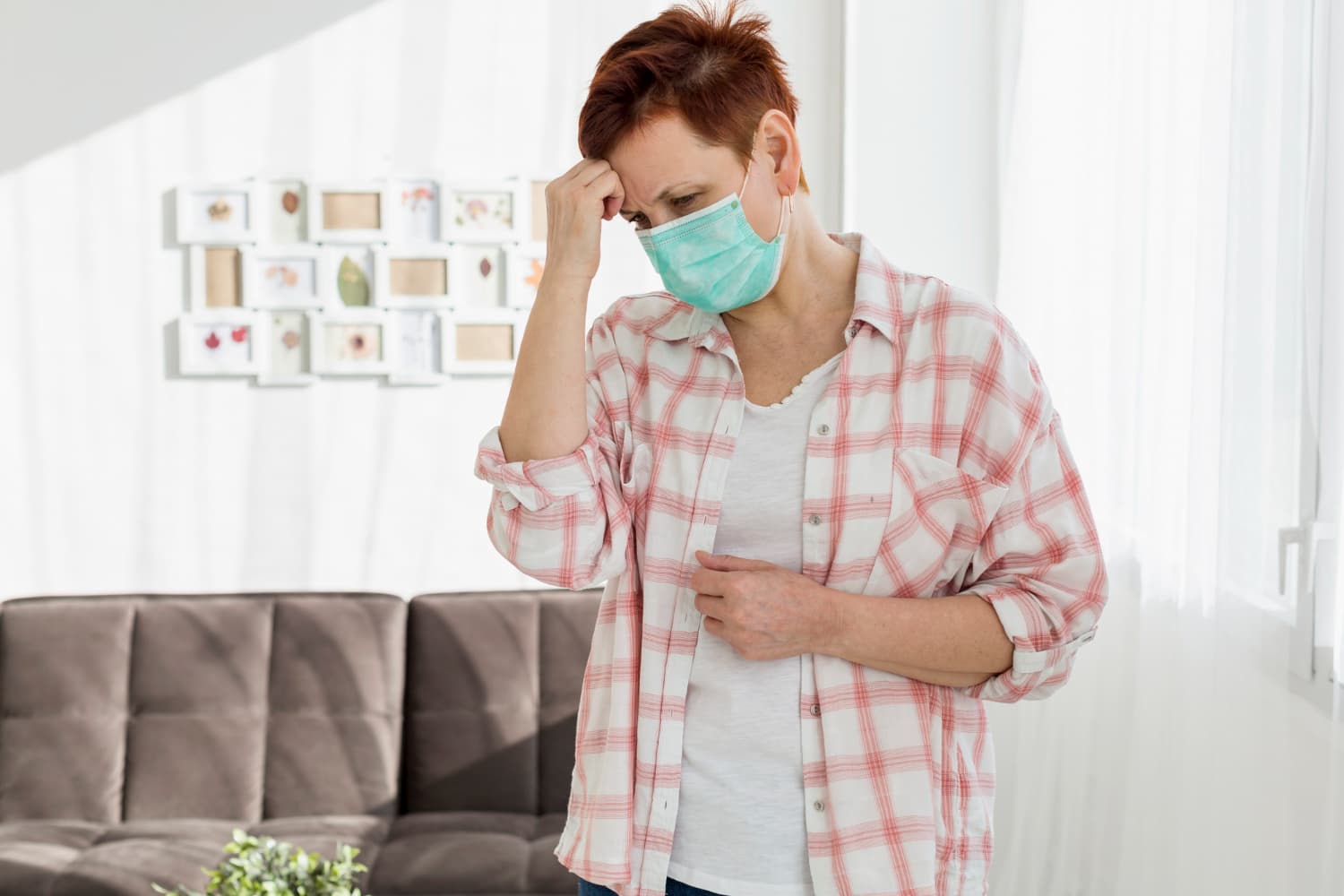
A child wakes up congested again. One parent keeps getting headaches in the bedroom. Someone has a cough that never fully goes away. Everyone assumes it is allergies, a stubborn cold, dry winter air, or “just one of those things.”
Sometimes that is true.
But sometimes the problem is not the season. It is the house.
Mold exposure symptoms can be easy to miss because they often look like everyday health issues: stuffy nose, coughing, itchy eyes, sore throat, wheezing, fatigue, or skin irritation. The Centers for Disease Control and Prevention notes that exposure to damp and moldy environments may cause symptoms such as a stuffy nose, sore throat, coughing or wheezing, burning eyes, or skin rash; people with asthma, mold allergies, compromised immune systems, or chronic lung disease may have more serious reactions. (CDC)
For families, the hardest part is connecting the dots. Mold does not always grow in obvious black patches on a wall. It can hide behind drywall, under flooring, around windows, inside cabinets, in basements, near HVAC systems, or anywhere moisture lingers long enough for growth.
This guide explains the mold exposure symptoms many families overlook, who is most at risk, how to tell whether your home may be contributing, and what to do next.
What Is Mold Exposure?
Mold exposure happens when people breathe in, touch, or otherwise come into contact with mold spores, mold fragments, or dampness-related particles in an indoor environment.
Mold is a natural part of the environment. Outdoors, it helps break down organic matter. Indoors, mold becomes a concern when it grows because of excess moisture from leaks, humidity, condensation, flooding, or poor ventilation.
Mold can grow on many household materials, including:
- Drywall
- Wood
- Carpet
- Ceiling tiles
- Insulation
- Fabric
- Paper products
- Cardboard
- Upholstered furniture
- Window frames
- Bathroom surfaces
- HVAC-related areas
The issue is not simply that mold exists. Mold spores are common in indoor and outdoor air. The concern is active indoor growth, chronic dampness, and repeated exposure in areas where families sleep, play, work, and recover.
The EPA explains that mold exposure can cause allergic responses such as sneezing, runny nose, red eyes, and skin rash, and can also irritate the eyes, skin, nose, throat, and lungs in people with or without mold allergies. (US EPA)
Why Families Often Miss Mold Exposure Symptoms
Mold exposure symptoms are rarely dramatic at first. They usually do not announce themselves as “mold.” Instead, they blend into normal family life.
A parent may think:
- “It’s probably seasonal allergies.”
- “The kids keep bringing bugs home from school.”
- “The air is just dry.”
- “The baby is always stuffy.”
- “The basement smells old, not moldy.”
- “The cough is lingering from a cold.”
- “We’re all tired because life is busy.”
That is why mold-related concerns often go unnoticed for months.
The key clue is the pattern. Symptoms that persist, return, cluster among household members, or improve when away from home deserve a closer look.
Common Mold Exposure Symptoms
Mold can affect people differently. Some people have no noticeable symptoms. Others react quickly, especially if they have allergies, asthma, chronic lung disease, or immune system vulnerabilities.
1. Stuffy Nose and Sinus Congestion
A stuffy nose is one of the most commonly missed mold exposure symptoms. It is also one of the easiest to dismiss.
Mold-related congestion may feel like:
- A blocked nose in the morning
- Postnasal drip
- Sinus pressure
- Frequent throat clearing
- A runny nose indoors
- Congestion that worsens in one room
- “Allergies” that do not follow a clear seasonal pattern
Families often notice this most in bedrooms, basements, or rooms near bathrooms, windows, or past leaks.
A helpful question: Does congestion improve when you spend a few days away from home? If yes, your indoor environment may be part of the picture.
2. Coughing That Keeps Coming Back
A recurring cough is another symptom families often explain away. Children may be labeled as “always catching something.” Adults may blame dust, stress, or a lingering cold.
Mold and damp indoor spaces can irritate the airways, especially when exposure happens daily. The CDC’s workplace mold guidance notes that people in damp buildings report respiratory symptoms and infections, developing or worsening asthma, allergic rhinitis, hypersensitivity pneumonitis, and eczema. (CDC)
A mold-related cough may be:
- Dry or phlegmy
- Worse at night or first thing in the morning
- Triggered in certain rooms
- Paired with throat irritation
- Worse after rain, humidity, or HVAC use
- More noticeable in children, older adults, or people with asthma
A cough that persists, worsens, or comes with wheezing or shortness of breath should be discussed with a healthcare professional.
3. Wheezing or Asthma Flare-Ups
Mold exposure can be especially important for people with asthma. Mold can trigger asthma symptoms in people who are allergic to mold, and damp indoor environments are associated with respiratory problems. The EPA notes that molds can cause asthma attacks in people with asthma who are allergic to mold. (US EPA)
Possible asthma-related symptoms include:
- Wheezing
- Chest tightness
- Shortness of breath
- Nighttime coughing
- Increased rescue inhaler use
- Trouble exercising
- Symptoms that worsen in damp rooms
Children may not always describe chest tightness clearly. Instead, they may avoid running, cough after activity, wake at night, or seem unusually tired.
4. Itchy, Red, or Watery Eyes
Mold exposure can also look like eye allergies. Families often blame pollen, pets, screens, or lack of sleep.
Watch for:
- Red eyes
- Burning eyes
- Watery eyes
- Itchy eyes
- Puffy eyelids
- Symptoms that flare indoors
The CDC lists burning eyes as one possible effect of damp and moldy environments. (CDC)
If eye symptoms are worse in a particular room or improve outside the home, that pattern matters.
5. Sore Throat and Hoarseness
A sore throat does not always mean infection. Airway irritation from mold, dust, dryness, VOCs, or other indoor pollutants can leave the throat feeling raw.
Mold-related throat symptoms may include:
- Scratchy throat
- Hoarseness
- Frequent throat clearing
- Postnasal drip
- A “tickle” cough
- Soreness that is worse in the morning
The CDC includes sore throat among symptoms that may occur from exposure to damp and moldy environments. (CDC)
This is especially easy to miss in families because throat symptoms often get lumped in with colds, school viruses, or seasonal changes.
6. Skin Rashes or Eczema Flares
Mold not only affects breathing. Some people experience skin symptoms, especially if they are allergy-prone or have eczema.
Possible skin-related symptoms include:
- Itchy skin
- Rashes
- Hives-like irritation
- Eczema flares
- Skin sensitivity that seems worse indoors
The EPA notes that allergic responses to mold can include skin rash, and CDC workplace guidance includes eczema among health problems reported by people spending time in damp buildings. (US EPA)
Skin symptoms alone do not prove mold exposure. But when skin issues occur alongside congestion, coughing, musty odors, or water damage, they become part of a larger pattern.
7. Headaches and “Heavy Air” Feelings
Headaches are less specific than respiratory symptoms, but families often report them in homes with moisture issues, poor ventilation, odors, or indoor pollutant buildup.
Mold may not be the only factor. Damp areas can come with other air quality problems, including dust, VOCs, bacteria, pests, or poor ventilation. Still, headaches that appear in certain rooms or improve when away from home should not be ignored.
Look for patterns such as:
- Headaches after sleeping in a specific bedroom
- Headaches in basements or finished lower levels
- Headaches that worsen during humid weather
- Headaches paired with a musty odor
- Multiple people in the home are reporting symptoms
Important: sudden, severe headaches or headaches with dizziness, confusion, nausea, chest pain, or possible carbon monoxide exposure require urgent attention.
8. Fatigue and Brain Fog
Fatigue is one of the most frustrating symptoms because it has so many possible causes. Poor sleep, stress, illness, nutrition, medication, hormones, and mental health can all play a role.
But indoor air quality can contribute indirectly. If mold or dampness triggers congestion, coughing, airway irritation, or asthma symptoms at night, sleep quality can suffer. Over time, that can leave people feeling drained.
Families may describe:
- Waking up tired
- Morning brain fog
- Low energy indoors
- Poor concentration
- Children seem unusually irritable or sluggish
- Better energy while away from home
The medical evidence for mold is strongest around allergic, irritant, and respiratory effects. Claims about mold causing broad neurological symptoms should be treated carefully. Still, if fatigue appears with respiratory symptoms and a damp home environment, the home should be investigated.
Mold Exposure Symptoms in Children
Children can be especially vulnerable to indoor environmental problems because their lungs and immune systems are still developing, and they spend a lot of time close to floors, carpets, bedding, and dust.
In children, mold exposure symptoms may show up as:
- Chronic stuffy nose
- Frequent coughing
- Wheezing
- Nighttime cough
- More asthma symptoms
- Itchy eyes
- Recurrent “allergy” complaints
- Skin irritation or eczema flares
- Poor sleep
- Fatigue or irritability
The tricky part is that children may not explain symptoms clearly. A child may not say, “My chest feels tight.” They may say they do not want to run, complain of being tired, wake at night, or seem cranky in the morning.
Parents should pay attention when symptoms are worse:
- In one bedroom
- After heavy rain
- In the basement
- During humid months
- After HVAC use
- After returning home from school or travel
- In a home with leaks, flooding, condensation, or a musty odor
Mold Exposure Symptoms in Adults
Adults often dismiss their own symptoms because they are busy caring for everyone else. But adult symptoms can provide important clues about the home environment.
Adults may notice:
- Morning congestion
- Sinus pressure
- Coughing
- Wheezing
- Eye irritation
- Sore throat
- Headaches
- Skin irritation
- Asthma flare-ups
- Feeling worse in certain rooms
- Feeling better after leaving home
People with asthma, allergies, chronic lung disease, or weakened immune systems should be more cautious. The CDC notes that immunocompromised people and people with chronic lung disease may develop infections from mold exposure. (CDC)
Mold Exposure vs. Allergies vs. a Cold: How to Tell the Difference
Mold exposure symptoms can overlap with seasonal allergies and viral infections. That is why families often miss them.
Here is how to think about the pattern.
A cold is more likely when:
- Symptoms come on suddenly
- There is a fever or body aches
- Symptoms improve within several days
- Other people outside the home are sick
- Symptoms do not clearly change by room or location
Seasonal allergies are more likely when:
- Symptoms follow pollen seasons
- Sneezing and itchy eyes are prominent
- Symptoms worsen outdoors
- Symptoms improve with allergy management
- There is a known history of seasonal allergies
Mold or indoor dampness may be contributing when:
- Symptoms persist for weeks
- Symptoms return repeatedly
- Symptoms are worse indoors
- Symptoms are worse in one room
- Multiple household members have similar issues
- There is a musty odor, condensation, water staining, or past leaks
- Symptoms improve after travel or time away
- Asthma or allergies flare in damp areas
This is not about self-diagnosing. It is about knowing when the home environment deserves attention.
Home Clues Families Often Miss
Symptoms are only one side of the story. The home itself often gives clues.
Musty Odor
A musty smell is one of the strongest household warning signs. You do not need to see mold for moisture or microbial growth to be present.
Pay attention to musty smells in:
- Basements
- Closets
- Bathrooms
- Laundry rooms
- Under sinks
- Around windows
- Crawl spaces
- HVAC vents
- Bedrooms after doors stay closed
The American Lung Association lists musty odor, moisture on cold surfaces, and water stains as key signs of a moisture problem. (American Lung Association)
Condensation on Windows
Condensation can mean indoor humidity is too high, surfaces are too cold, or ventilation is poor. Persistent condensation around windows can support mold growth on frames, sills, trim, curtains, and nearby drywall.
Water Stains
Old water stains matter, even if they are dry today. A stain may point to a past roof leak, plumbing issue, or condensation problem that was never fully resolved.
Peeling Paint or Warped Materials
Bubbling paint, warped flooring, soft drywall, swollen baseboards, or crumbling materials can signal hidden moisture.
Repeated Bathroom Mold
A little surface mildew in a bathroom is common, but recurring growth may indicate poor ventilation, high humidity, or persistent moisture. If the fan is weak, noisy, disconnected, or rarely used, moisture can linger after showers.
Basement Dampness
Basements are common trouble spots because they are cooler, closer to soil moisture, and often less ventilated. Finished basements can hide moisture behind walls or under flooring.
“Black Mold” vs. Other Mold: What Families Should Know
Many families worry specifically about “black mold.” The term is often used casually to describe dark mold growth, but color alone does not tell you what type of mold it is or how risky the situation may be.
From a practical home-health perspective, the most important question is not whether the mold is black, green, white, or gray. The better question is:
Why is mold growing indoors, and how do we safely remove it and fix the moisture source?
The EPA’s overall mold guidance is clear that mold should not be allowed to grow indoors. Mold growth means there is a moisture problem that needs to be corrected. (US EPA)
Do not ignore mold because it is not “black mold.” Any indoor mold growth deserves attention.
Who Is Most at Risk From Mold Exposure?
Mold can affect anyone, but some people are more likely to experience symptoms or complications.
Higher-risk groups include:
- People with asthma
- People with mold allergies
- Infants and young children
- Older adults
- People with chronic lung disease
- People with weakened immune systems
- People recovering from respiratory illness
- People who spend a lot of time at home
The CDC notes that people with asthma or mold allergies may have severe reactions, and those who are immunocompromised or have chronic lung disease may develop infections. (CDC)
Families with higher-risk members should take dampness and mold concerns seriously, even when symptoms seem mild.
What To Do If You Suspect Mold Is Affecting Your Family
The goal is not panic. The goal is a clear, step-by-step response.
Step 1: Track Symptoms and Patterns
Write down:
- Who has symptoms
- What symptoms do they have
- Which rooms seem worse
- Whether symptoms are worse at night or in the morning
- Whether symptoms improve away from home
- Recent leaks, flooding, renovations, or humidity changes
- Weather patterns, such as rain or high humidity
This helps you communicate more clearly with both healthcare providers and home professionals.
Step 2: Look for Moisture Sources
Mold needs moisture. Finding the source is more important than simply cleaning the visible growth.
Check:
- Roof leaks
- Plumbing leaks
- Window condensation
- Bathroom ventilation
- Basement dampness
- HVAC condensation
- Poor drainage near the foundation
- Leaky appliances
- Under sinks
- Behind toilets
- Around tubs and showers
CDC/NIOSH guidance notes that finding and correcting dampness sources is more effective for preventing health problems than relying on air samples alone. (CDC)
Step 3: Fix Moisture Before Cosmetic Repairs
Painting over mold, spraying fragrance, or wiping a surface without fixing moisture usually does not solve the problem.
The proper order is:
- Stop the water or moisture source
- Dry the area
- Remove or clean affected materials safely
- Improve ventilation or humidity control
- Monitor for recurrence
Step 4: Clean Small Areas Safely
Small areas of surface mold may be manageable for some households, depending on the material, size, and who lives in the home. Porous materials like drywall, insulation, ceiling tiles, and carpet may need removal if contaminated.
Use caution if anyone in the home has asthma, immune concerns, chronic lung disease, or strong symptoms. In those cases, professional guidance may be safer.
Step 5: Consider Testing When the Picture Is Unclear
Mold testing can help when there are symptoms, hidden moisture concerns, musty odors, or uncertainty about what is happening in the home. Testing is most useful when paired with a full home context: moisture history, room-by-room symptoms, visible clues, and next-step recommendations.
That is where a service like Nestwell can fit naturally. Instead of guessing whether symptoms are connected to mold, air quality, moisture, or another home health factor, families can use testing and a clearer home health framework to decide what to do next.
Step 6: Talk to a Healthcare Professional
See a medical professional if symptoms are persistent, worsening, or affecting sleep, breathing, school, work, or daily life.
Seek prompt care for:
- Wheezing
- Shortness of breath
- Chest tightness
- Severe asthma symptoms
- Recurring respiratory infections
- Symptoms in infants or medically vulnerable people
- Fever or signs of infection
- Coughing that does not improve
Indoor mold concerns and medical care should work together. A doctor can evaluate symptoms, while home testing or inspection can help clarify environmental contributors.
How to Reduce Mold Risk at Home
Prevention is mostly moisture control.
Helpful steps include:
- Keep indoor humidity in a healthy range
- Use bathroom exhaust fans during and after showers
- Use kitchen ventilation when cooking
- Fix plumbing and roof leaks quickly
- Dry wet materials as soon as possible
- Use dehumidifiers in damp basements
- Keep gutters and drainage working properly
- Avoid carpeting in damp areas
- Clean and maintain HVAC systems
- Improve airflow in closets and closed rooms
- Watch for condensation around windows
- Do not ignore musty odors
The National Institute of Environmental Health Sciences notes that molds can affect health depending on the type of mold, amount and duration of exposure, and the person exposed. (NIEHS)
The practical takeaway: the less moisture your home holds onto, the less likely mold becomes a recurring family health issue.
When Mold Exposure Symptoms Are an Emergency
Most mold-related symptoms are not emergencies. But some symptoms require urgent medical attention, especially in people with asthma, chronic lung disease, or immune system compromise.
Get urgent help if someone has:
- Severe shortness of breath
- Blue lips or face
- Severe chest tightness
- Confusion or fainting
- A severe asthma attack
- High fever with breathing symptoms
- Symptoms of carbon monoxide exposure, such as headache, dizziness, nausea, confusion, or symptoms affecting multiple people at once
Carbon monoxide is not mold, but it is another hidden indoor air hazard that can be mistaken for general illness. If several people feel sick at home and improve outside, do not assume mold is the only possible cause.
FAQ: Mold Exposure Symptoms
What are the most common mold exposure symptoms?
The most common mold exposure symptoms include stuffy nose, sneezing, coughing, wheezing, sore throat, burning or itchy eyes, skin rash, and asthma flare-ups. Symptoms may be worse in damp rooms or improve when away from the home.
Can mold exposure make you tired?
Mold exposure may contribute to tiredness indirectly if it causes congestion, coughing, wheezing, or poor sleep. Fatigue has many possible causes, so recurring tiredness with respiratory symptoms or musty indoor spaces should be evaluated in context.
How do I know if mold is making my family sick?
Mold may be contributing if multiple family members have congestion, coughing, itchy eyes, sore throat, wheezing, or skin irritation that worsens at home and improves away from home. Musty odors, water stains, condensation, or past leaks strengthen the concern.
What does mold exposure feel like in children?
In children, mold exposure may look like a chronic stuffy nose, coughing, wheezing, itchy eyes, eczema flares, poor sleep, fatigue, or asthma symptoms. Children may not describe breathing issues clearly, so parents should watch for nighttime cough, low energy, or symptoms that worsen in certain rooms.
Can mold exposure cause asthma symptoms?
Yes. Mold exposure can trigger asthma symptoms in people who are allergic or sensitive to mold. Symptoms may include coughing, wheezing, chest tightness, shortness of breath, nighttime coughing, and increased need for asthma medication.
When should I test my home for mold?
Consider mold testing if your home has musty odors, visible mold, water damage, recurring condensation, damp basement areas, unexplained respiratory symptoms, or symptoms that are worse at home and better elsewhere. Testing is most useful when it helps guide cleanup, repair, or prevention decisions.
Conclusion: Do Not Ignore the Pattern
Mold exposure symptoms are easy to miss because they rarely look unusual at first. A stuffy nose, a morning cough, itchy eyes, a rash, or poor sleep can seem ordinary until the same symptoms keep coming back, affect multiple people, or point to a specific room in the house.
Families do not need to be afraid of every speck of mold. But they should take moisture, musty smells, unexplained symptoms, and recurring respiratory issues seriously.
Your home should help your family recover, not quietly work against them.
Nestwell helps families better understand hidden home health risks, including mold and indoor air quality concerns, so they can move from uncertainty to a clearer next step. If your family’s symptoms seem connected to your home, testing may be the most practical way to stop guessing and start making informed decisions.