- 4
- Samples
- 57
- Lab markers
- 5
- Days until results
Mold and Fungus Surface Swab Test (4x)
Dust lab test kit
Price
$172
The same species-level mould identification, four swabs over, so you can sample the bathroom, the basement and the two rooms you are unsure about.
- 30-day money-back guarantee
- Free 2-day shipping
What’s included
- All sampling materials
- Easy-to-follow instructions
- Full contaminant details for your address
- Prepaid 2-day return shipping
- Accredited lab network
- Regulatory analytical methods
- Per-location results
- Scored against EPA + CDC standards
- HSA/FSA eligible via TrueMed
It’s worth testing for if…
- More than one room smells musty or looks suspect
- You want to compare a problem area against a clean one
- You are mapping how far growth has spread

What is in your dust?
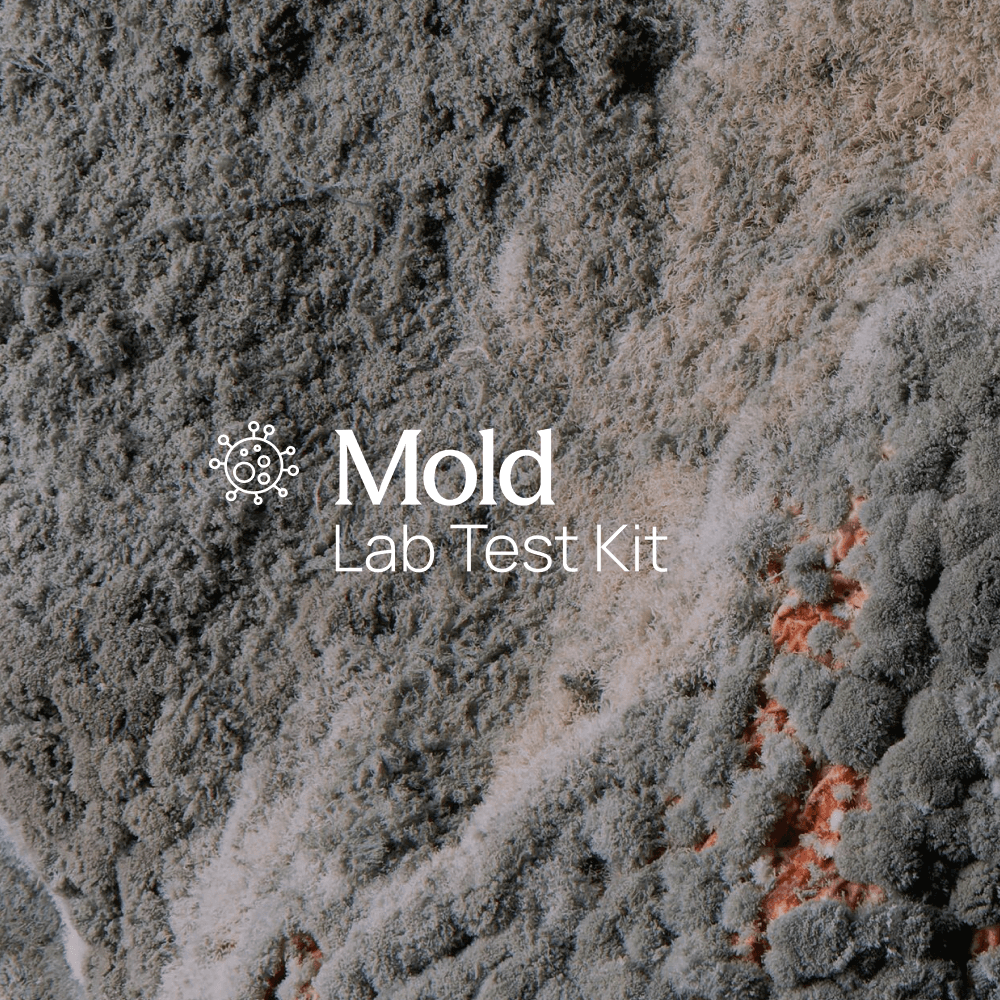
57 measurements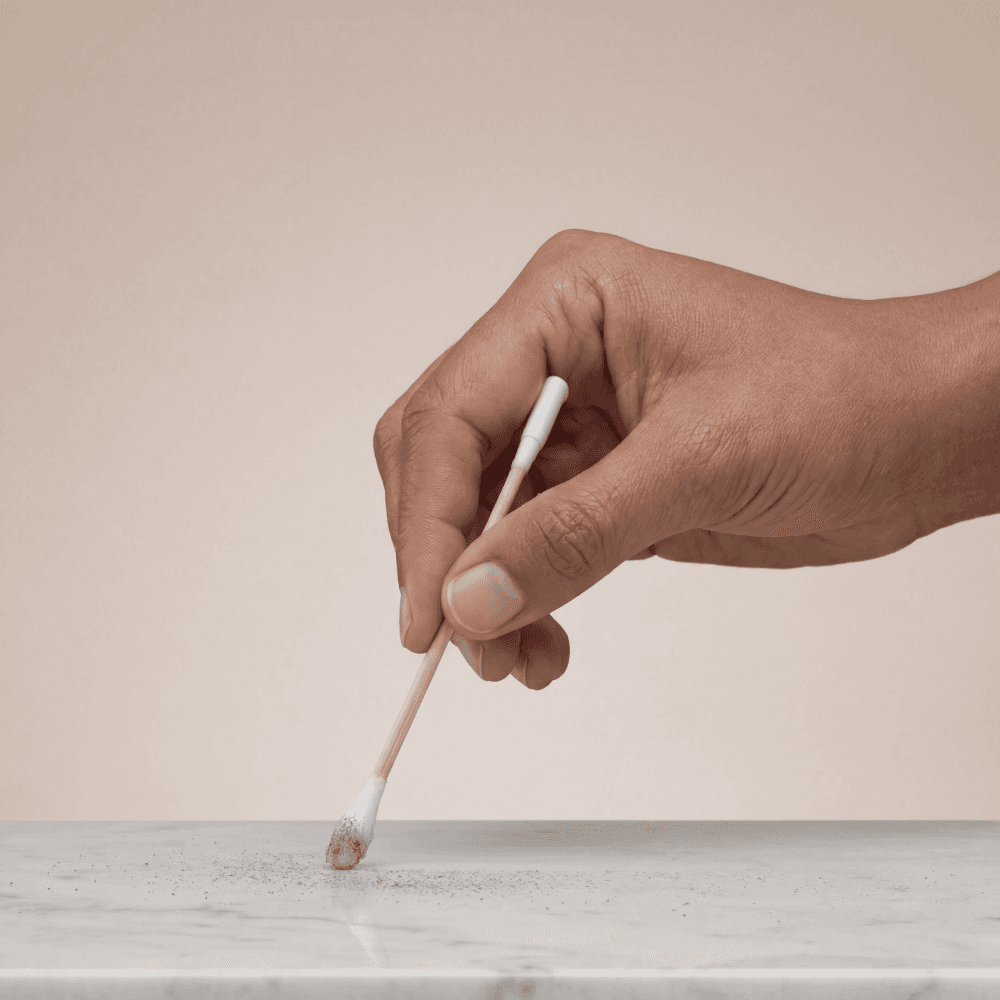
The same species-level identification, four swabs over. Mould growth follows moisture, so different rooms can carry completely different organisms for completely different reasons — a bathroom's ordinary condensation mould is a different finding from something in a basement wall cavity. Four samples let you compare a suspect area against a clean one, or map how far growth has spread.
How to Test
Run the swab over the spot you are suspicious about, then seal it in its tube. Damp, discoloured or musty-smelling areas are the ones worth sampling.
Supports concern around
Breathing and asthma, cancer, short-term toxic effects at high doses.
51 of the 57 substances this kit measures have a hazard classification on file. The other 6 do not yet — which means nothing has been established about them either way.
4 samples, and exactly where each one goes.
Mold collects unevenly, so a single sample can come back clean in a home with a real problem twenty feet away. We walk you through these 4 spots in order.
- Mold
Kitchen
- 1: Under the kitchen sink
Hallway
- 4: HVAC vent or return
Bathroom(s)
- 2: Bathroom wall or ceiling
Living Room
Bedroom(s)
Basement
- 3: Basement or crawlspace
Foyer
Playroom
1. Under the kitchen sink
A slow supply-line seep sits in a dark cabinet for months before anyone notices it.
2. Bathroom wall or ceiling
The highest-humidity room in the house, and usually the least ventilated.
3. Basement or crawlspace
Below-grade walls wick moisture year-round, whether or not there was ever a flood.
4. HVAC vent or return
A colonised air handler distributes spores to every room it serves.
Every measurement, explained
At Nestwell, we provide science backed ranges for all the exposures in your home, allowing for personalized suggestions of in home remediation.
57 measures across 3 groups, 8 of them written up by our advisors. Open a group to read what it covers.
Also measured
- Aspergillus speciesdetects to 1 spores/swab
- Aureobasidiumdetects to 1 spores/swab
- Basidiosporesdetects to 1 spores/swab
- Bipolarisdetects to 1 spores/swab
- Bisporadetects to 1 spores/swab
- Botrytisdetects to 1 spores/swab
- Cephalotrichumdetects to 1 spores/swab
- Cercosporadetects to 1 spores/swab
- Chlamydosporesdetects to 1 spores/swab
- Coelomycetesdetects to 1 spores/swab
- Curvulariadetects to 1 spores/swab
- Epicoccum speciesdetects to 1 spores/swab
- Fibrous Particulatedetects to 1 fragments/swab
- Fusariumdetects to 1 spores/swab
- Ganodermadetects to 1 spores/swab
- Hyphal fragmentdetects to 1 fragments/swab
- Monodictysdetects to 1 spores/swab
- Mucordetects to 1 spores/swab
- Myxomycetesdetects to 1 spores/swab
- Nigrospora speciesdetects to 1 spores/swab
- Oidiumdetects to 1 spores/swab
- Oncopodielladetects to 1 spores/swab
- Ophiostoma speciesdetects to 1 spores/swab
- Peronosporadetects to 1 spores/swab
- Pestalotia/Pestalotiopsisdetects to 1 spores/swab
- Phoma speciesdetects to 1 spores/swab
- Pithomycesdetects to 1 spores/swab
- Rhizopus speciesdetects to 1 spores/swab
- Rusts, Smuts, Periconia, Myxomycetes sporesdetects to 1 spores/swab
- Scopulariopsis/Microascusdetects to 1 spores/swab
- Spadicoidesdetects to 1 spores/swab
- Sporidesmiumdetects to 1 spores/swab
- Sporoschismadetects to 1 spores/swab
- Stemphyliumdetects to 1 spores/swab
- Toruladetects to 1 spores/swab
- Total Yeastdetects to 1 spores/swab
- Triadelphiadetects to 1 spores/swab
- Tritirachium speciesdetects to 1 spores/swab
- Ulocladiumdetects to 1 spores/swab
- Unidentifiable Sporesdetects to 1 spores/swab
- Zygomycetesdetects to 1 spores/swab
- Ascotricha species
- Acremoniumdetects to 1 spores/swab
- Arthriniumdetects to 1 spores/swab
- Ascosporesdetects to 1 spores/swab
- Paecilomyces
- Trichoderma
“Detects to” is the method detection limit — the lowest concentration this kit's method can distinguish from zero. The lab may substitute an equivalent or updated method, in which case its limit may differ from the one shown.
What these substances are linked to
Health effects that researchers have associated with the substances on this panel, from the EPA's CompTox database. This describes the substances themselves — not your home. Whether any of them are present, and at what level, is what the test is for.
- Breathing and asthma51 of the 51 classified substances on this panel — including Acremonium, Alternaria and Arthrinium
- Cancer4 of the 51 classified substances on this panel — including Aspergillus species, Aspergillus/Penicillium and Fusarium
- Short-term toxic effects at high doses1 of the 51 classified substances on this panel — including Stachybotrys/Memnoniella
51 of the 57 substances this kit measures have a hazard classification on file. The other 6 do not yet — which means nothing has been established about them either way. A classification means a substance has been associated with an effect in published research — usually at doses well above what a home test would find. It is not a diagnosis, and it is not a prediction.
Designed To Understand Your Whole House
A single kit answers one question properly rather than several vaguely. Whichever you start with, it is the same lab, the same methods, and the same reporting — so results from one kit sit beside results from the next, in one place, on the same scale.
Accredited labs, regulatory methods
Every sample is analyzed by an accredited environmental lab with the same methods regulatory testing uses.
Numbers with regulatory context
Results come back as a measured value next to the standard it is judged against, not just a "detected".
One box, no home visit
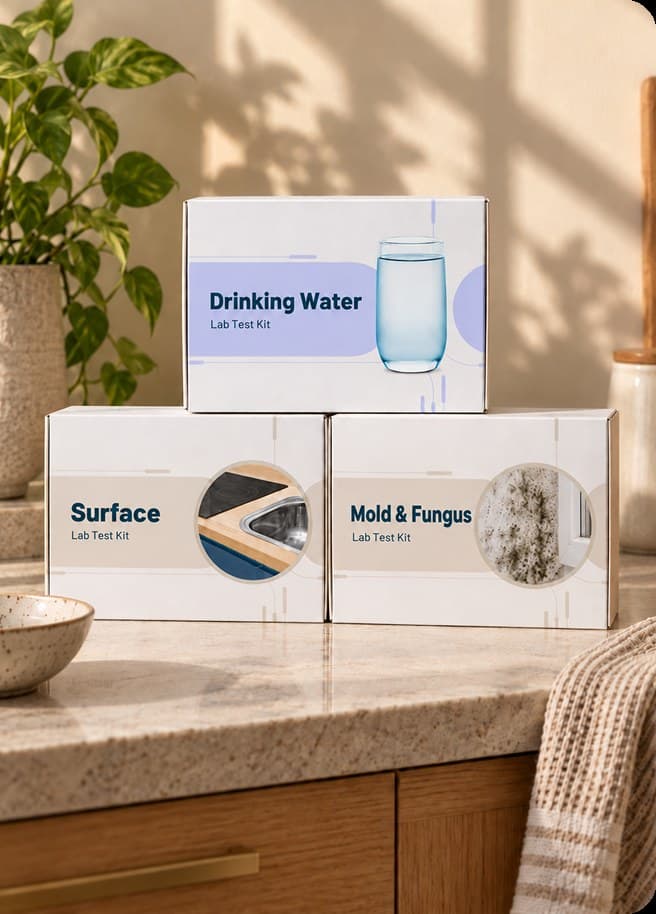
Everything arrives at once and we tell you both where and how to sample, no outside home inspection needed.
How Nestwell Testing Works
How Collection Works
Collect
Run the swab over the spot you are suspicious about, then seal it in its tube. Damp, discoloured or musty-smelling areas are the ones worth sampling.
Mail
Everything goes back in the same box with the prepaid return label. No appointment, nobody in your house, and easy to send back when convenient for you.
Read
Results land in your Nestwell dashboard in about 5 days, each scored against the standard that applies to it.

Why Nestwell?
| Capability | Nestwell | Hardware Store Strips | In Person Inspector |
|---|---|---|---|
| Samples from across your home | Yes | One sample, one place | Yes |
| Real exposure concentrations | Yes | Paper colour key | Sometimes |
| Accredited lab, regulatory methods | Yes | No | Sometimes |
| Nobody has to come into your home | Yes | Yes | No |
| Results tracked over time in one place | Yes | No | One time result |
A number is only useful next to its limit.
At Nestwell, we provide science backed ranges for all the exposures in your home, allowing for personalized suggestions of in home remediation.
Accredited labs only
Samples are analysed by accredited environmental laboratories using the analytical methods used for regulatory compliance work: the same reading a professional consultant would order.
Each result has a standard
A number on its own is not an answer. The EPA action level for lead in water is 15 ppb; the CDC states there is no safe level of lead exposure for children. Each finding is shown against the limit that applies to it.
Where there is no limit, we say so
The EPA sets no numeric limit for mold, and moisture control is the real remedy. Mold results are reported as what is growing and at what relative level, never as just a pass or a fail.
Built with leading medical experts

Dr. Malathi Srinivasan
Clinical Professor of Medicine, Primary Care and Population Health
Stanford University
“Our physical & home environment is a direct determinant of our health, and is immunoregulatory. In a year, we breathe about 6 million times, drink 250 gallons of liquid, and eat almost 2 tons of food, with hundreds of compounds interacting on our skin and immune systems. Small environmental changes make a big difference, especially in early childhood development and for vulnerable adults.”
Frequently Asked Questions
Have questions? Find answers to common customer concerns below.
What does the Mold and Fungus Surface Swab Test (4x) actually measure?
The panel runs 57 measures, covering Mould and fungi, Particles and fibres and Pollen. Every one is listed on this page with its detection limit, so you can check for a specific substance before you buy.
How do I take the sample?
Run the swab over the spot you are suspicious about, then seal it in its tube. Damp, discoloured or musty-smelling areas are the ones worth sampling. It takes a few minutes per swab, and everything you need comes in the box.
How long until I get results?
The kit reaches you in about 3 days. Once the lab receives your sample, results appear in your Nestwell account in about 5 days. Return shipping is prepaid and included.
Who analyses the sample?
An accredited environmental laboratory, using published analytical methods — the same methods and the same labs used for regulatory and commercial testing. Nestwell does not run the analysis itself.
Why do some substances on the panel have explanations and others do not?
Our advisors have written up 8 of the 57 measures on this panel so far. The rest are still measured, reported and held to the same detection limits — they are listed under "Also measured" until the write-up exists. We would rather show you the gap than fill it with something we have not checked.
What happens if something comes back high?
Your results are shown against the relevant reference values rather than as a bare number, so you can see which measures stand out and by how much. The lab reports what it measured; it does not diagnose, and a lab result is not medical advice.
Can I pay with an HSA or FSA?
Most Nestwell kits are HSA/FSA eligible through Truemed. Eligibility is shown on the kit page at checkout, and where it applies you can pay with pre-tax dollars.