Now accepting HSA/FSA. Pay with pre-tax dollars at checkout
Nestwell
Drinking Water Test: Level 2 + Bacteria
113
Lab markers
15
Days until results

Drinking Water Test: Level 2 + Bacteria

Water lab test kit

Price

$284

Everything in the Level 1 panel, plus the volatile chemicals, fuel compounds and disinfection byproducts that a metals test alone would never see.

  • 30-day money-back guarantee
  • Free 2-day shipping

What’s included

  • All sampling materials
  • Easy-to-follow instructions
  • Full contaminant details for your address
  • Prepaid 2-day return shipping
  • Accredited lab network
  • Regulatory analytical methods
  • Per-location results
  • Scored against EPA + CDC standards
  • HSA/FSA eligible via TrueMed

It’s worth testing for if…

  • You want the fullest single picture of your tap water
  • You are near farmland, industry, a highway or a fuel tank
  • A Level 1 result raised a question you want to chase

What is in your water?

113 measurements
Drinking Water Test: Level 2 + Bacteria

Everything the Level 1 panel looks for, plus the organic chemistry. Volatile compounds are the solvents, fuels and degreasers light enough to evaporate at room temperature — which is how they travel underground and why they leave your water in the steam of a shower as much as in a glass. The disinfection byproducts are made by treatment rather than found in the source: chlorine reacting with leaf litter and other natural organic matter in the water it is cleaning. Together with the metals, minerals and bacteria, this is the broadest single look at a tap we sell.

How to Test

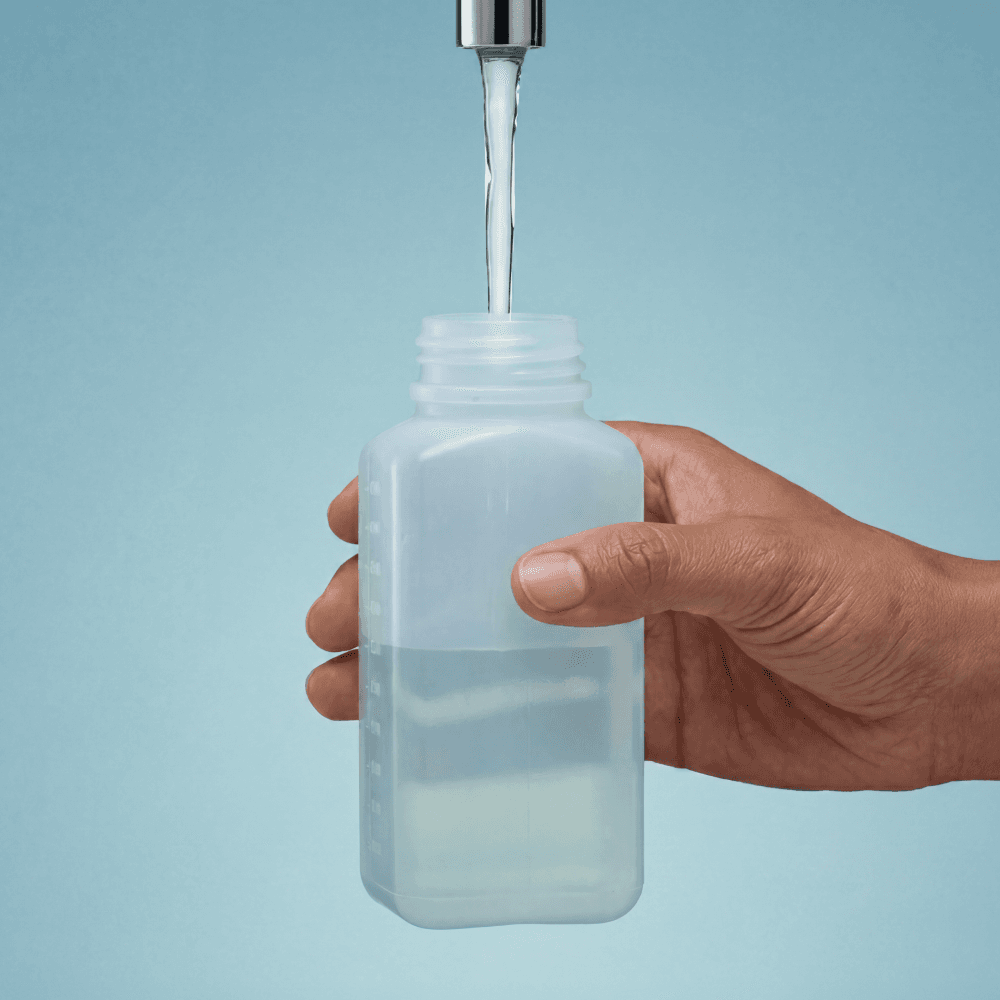
Fill the bottles from the tap you drink from, first thing in the morning before anyone has run the water. That first draw is the water that has been sitting in your own pipes overnight, which is where lead and copper show up.

Supports concern around

The brain and nervous system, short-term toxic effects at high doses, fertility and reproduction, cancer, allergies and skin irritation.

82 of the 113 substances this kit measures have a hazard classification on file. The other 31 do not yet — which means nothing has been established about them either way.

Every measurement, explained

At Nestwell, we provide science backed ranges for all the exposures in your home, allowing for personalized suggestions of in home remediation.

113 measures across 9 groups, 92 of them written up by our advisors. Open a group to read what it covers.

  • 1,1,1,2 Tetrachloroethane

    Hazardous

    What it is

    An industrial solvent that can contaminate groundwater from chemical manufacturing sites.

    Can be linked to

    • Cancer
    • The brain and nervous system
    • Short-term toxic effects at high doses
    • The liver
    • The kidneys

    Can cause liver damage and affect the nervous system; classified as a possible carcinogen.

    detects to 0.5 ppb

  • 1,1,1 Trichloroethane

    Hazardous

    What it is

    A formerly common industrial solvent (phased out due to ozone depletion) that can persist in groundwater.

    Can be linked to

    • Cancer
    • The brain and nervous system
    • Fertility and reproduction
    • Short-term toxic effects at high doses

    Can affect the nervous system and liver; acute exposure causes dizziness and headaches.

    detects to 0.5 ppb

  • 1,1,2,2-Tetrachloroethane

    What it is

    A toxic industrial solvent once widely used that can persist in groundwater.

    Can cause severe liver damage and is classified as a possible carcinogen; one of the more toxic chlorinated solvents.

  • 1,1,2 Trichloroethane

    Hazardous

    What it is

    An industrial solvent used in chemical manufacturing that can contaminate groundwater.

    Can be linked to

    • Cancer
    • The brain and nervous system
    • Short-term toxic effects at high doses
    • Blood and bone marrow
    • The immune system

    A possible carcinogen — long-term exposure may increase cancer risk and can damage the liver and kidneys.

    detects to 0.5 ppb

  • 1,1 Dichloroethane

    Hazardous

    What it is

    An industrial solvent and chemical intermediate that can contaminate groundwater.

    Can be linked to

    • The brain and nervous system
    • Short-term toxic effects at high doses

    A possible carcinogen; long-term exposure may affect the liver, kidneys, and central nervous system.

    detects to 0.5 ppb

  • 1,1 Dichloroethylene

    Hazardous

    What it is

    A chemical used in making food packaging and plastics that can leach into groundwater.

    Can be linked to

    • Cancer
    • The brain and nervous system
    • Fertility and reproduction
    • Short-term toxic effects at high doses
    • The liver

    Can cause liver and kidney damage with long-term exposure; may also affect the nervous system.

    detects to 0.5 ppb

  • 1,1 Dichloropropene

    Hazardous

    What it is

    An industrial chemical and soil fumigant component that can contaminate groundwater.

    Can be linked to

    • Short-term toxic effects at high doses

    Limited health data available, but related compounds are associated with liver effects and possible cancer risk.

    detects to 0.5 ppb

  • 1,2,3 Trichlorobenzene

    Hazardous

    What it is

    An industrial solvent used in manufacturing that can contaminate groundwater.

    Can be linked to

    • The brain and nervous system
    • Short-term toxic effects at high doses
    • Allergies and skin irritation

    May cause liver and adrenal gland effects with long-term exposure; less common than related trichlorobenzenes.

    detects to 0.5 ppb

  • 1,2,3 Trichloropropane

    Hazardous

    What it is

    A toxic industrial chemical used as a solvent and in pesticide production that persists in groundwater.

    Can be linked to

    • Cancer
    • The brain and nervous system
    • Fertility and reproduction
    • Short-term toxic effects at high doses
    • The liver

    Classified as a likely carcinogen — even very low levels are associated with increased cancer risk.

    detects to 0.5 ppb

  • 1,2,4 Trichlorobenzene

    Hazardous

    What it is

    An industrial solvent used in dyes, herbicides, and as a degreaser that can contaminate groundwater.

    Can be linked to

    • Cancer
    • The brain and nervous system
    • Short-term toxic effects at high doses
    • Hormones and the endocrine system

    Can cause liver and kidney damage with long-term exposure; may also affect the adrenal glands.

    detects to 0.5 ppb

  • 1,2,4 Trimethylbenzene

    Hazardous

    What it is

    A chemical found in gasoline and industrial solvents that can contaminate water.

    Can be linked to

    • The brain and nervous system
    • Short-term toxic effects at high doses

    Can cause nervous system effects, headaches, and dizziness; long-term exposure may affect blood-forming organs.

    detects to 0.5 ppb

  • 1,2 Dichloroethane

    Hazardous

    What it is

    An industrial solvent used in making vinyl chloride and other chemicals that can contaminate groundwater.

    Can be linked to

    • Cancer
    • The brain and nervous system
    • Short-term toxic effects at high doses

    A probable carcinogen — long-term exposure increases the risk of cancer and can damage the liver, kidneys, and nervous system.

    detects to 0.5 ppb

  • 1,2 Dichloropropane

    Hazardous

    What it is

    A chemical formerly used as a soil fumigant and industrial solvent that contaminates groundwater.

    Can be linked to

    • Cancer
    • The brain and nervous system
    • Fertility and reproduction
    • Short-term toxic effects at high doses
    • Allergies and skin irritation

    Classified as a probable carcinogen — long-term exposure is linked to liver and kidney cancer.

    detects to 0.5 ppb

  • 1,3,5 Trimethylbenzene

    Hazardous

    What it is

    A chemical found in gasoline and coal tar that can contaminate groundwater.

    Can be linked to

    • The brain and nervous system

    Can cause nervous system effects including dizziness and headaches; limited long-term health data for water exposure.

    detects to 0.5 ppb

  • 1,3 Dichloropropane

    Hazardous

    What it is

    A chemical solvent used in industry that can contaminate groundwater.

    Can be linked to

    • The brain and nervous system
    • Allergies and skin irritation

    May cause liver and kidney effects; limited human health data available for drinking water exposure.

    detects to 0.5 ppb

  • 2,2 Dichloropropane

    Hazardous

    What it is

    An industrial chemical that can contaminate groundwater from manufacturing sites.

    Can be linked to

    • Short-term toxic effects at high doses

    Limited health data available; structurally similar to compounds that can affect the liver and kidneys.

    detects to 0.5 ppb

  • Bromobenzene

    Hazardous

    What it is

    An industrial solvent used in chemical manufacturing that can contaminate groundwater.

    Can be linked to

    • The brain and nervous system
    • Short-term toxic effects at high doses
    • The liver

    Can cause liver and kidney damage; limited long-term health data for drinking water exposure.

    detects to 0.5 ppb

  • Bromomethane

    Hazardous

    What it is

    A fumigant chemical (also called methyl bromide) used for pest control that can contaminate groundwater.

    Can be linked to

    • The brain and nervous system
    • Fertility and reproduction
    • Short-term toxic effects at high doses
    • The digestive system

    Can affect the nervous system and kidneys; classified as a possible carcinogen with long-term exposure.

    detects to 0.5 ppb

  • Carbon Tetrachloride

    Hazardous

    What it is

    A man-made chemical formerly used in fire extinguishers and refrigerants that persists in groundwater.

    Can be linked to

    • Cancer
    • The brain and nervous system
    • Fertility and reproduction
    • Short-term toxic effects at high doses
    • Allergies and skin irritation
    • The liver

    A probable carcinogen that can cause serious liver and kidney damage with long-term exposure.

    detects to 0.5 ppb

  • Chlorobenzene

    Hazardous

    What it is

    An industrial solvent used in making pesticides and other chemicals that can contaminate groundwater.

    Can be linked to

    • Cancer
    • The brain and nervous system
    • Short-term toxic effects at high doses
    • The liver

    Can affect the liver, kidneys, and central nervous system with long-term exposure; may cause headaches and dizziness.

    detects to 0.5 ppb

  • Chloroethane

    Hazardous

    What it is

    A chemical used in industrial processes and as a formerly common anesthetic that can contaminate water.

    Can be linked to

    • Cancer
    • The brain and nervous system

    Can affect the liver, kidneys, and nervous system; limited long-term drinking water health data.

    detects to 0.5 ppb

  • Chloromethane

    Hazardous

    What it is

    Also known as methyl chloride, a chemical used in manufacturing and found in some industrial waste.

    Can be linked to

    • Cancer
    • The brain and nervous system
    • Fertility and reproduction
    • Short-term toxic effects at high doses

    Can affect the nervous system, causing dizziness, nausea, and blurred vision; long-term exposure may damage the liver and kidneys.

    detects to 0.5 ppb

  • cis 1,2 Dichloroethylene

    Hazardous

    What it is

    An industrial solvent and chemical intermediate that can contaminate groundwater from improper disposal.

    Can be linked to

    • The brain and nervous system
    • Short-term toxic effects at high doses
    • The kidneys

    Can affect the liver and nervous system with long-term exposure; generally less toxic than related chlorinated solvents.

    detects to 0.5 ppb

  • Dichlorodifluoromethane

    Hazardous

    What it is

    A refrigerant chemical (Freon-12) that can contaminate groundwater from industrial sources.

    Can be linked to

    • The brain and nervous system

    Low acute toxicity, but high concentrations can affect the heart; ozone-depleting substance being phased out.

    detects to 0.5 ppb

  • Dichloromethane

    Hazardous

    What it is

    A widely used industrial solvent (also called methylene chloride) found in paint strippers and degreasers.

    Can be linked to

    • Cancer
    • The brain and nervous system
    • Fertility and reproduction
    • Short-term toxic effects at high doses
    • The liver

    A probable carcinogen; can cause liver and brain damage, and high exposure levels can be fatal due to carbon monoxide formation in the body.

    detects to 0.5 ppb

  • Ethylene dibromide

    Hazardous

    What it is

    A banned gasoline additive and soil fumigant that persists in groundwater for years.

    Can be linked to

    • Cancer
    • The brain and nervous system
    • Fertility and reproduction
    • Short-term toxic effects at high doses
    • The liver
    • Hormones and the endocrine system

    A probable carcinogen — long-term exposure damages the liver, kidneys, and reproductive system.

    detects to 0.5 ppb

  • Hexachlorobutadiene

    Hazardous

    What it is

    An industrial chemical and byproduct of chlorination processes that can contaminate water.

    Can be linked to

    • Cancer
    • The brain and nervous system
    • Fertility and reproduction
    • Short-term toxic effects at high doses
    • Allergies and skin irritation

    Classified as a possible carcinogen; can cause kidney damage with long-term exposure.

    detects to 0.5 ppb

  • Isopropylbenzene

    Hazardous

    What it is

    Also known as cumene, a chemical found in gasoline and used in making plastics.

    Can be linked to

    • Cancer
    • The brain and nervous system
    • Short-term toxic effects at high doses
    • The kidneys

    Can affect the central nervous system and lungs; classified as a possible carcinogen with long-term exposure.

    detects to 0.5 ppb

  • n Butylbenzene

    What it is

    A chemical found in gasoline and used as an industrial solvent.

    Limited health data for drinking water; may cause nervous system effects and irritation based on related compounds.

    detects to 0.5 ppb

  • n Propylbenzene

    What it is

    A chemical found in gasoline and petroleum products that can contaminate groundwater.

    Limited specific health data; may cause headaches and nervous system effects similar to related aromatic compounds.

    detects to 0.5 ppb

  • p Isopropyltoluene

    Hazardous

    What it is

    Also known as p-cymene, a chemical found naturally in essential oils and in petroleum products.

    Can be linked to

    • Short-term toxic effects at high doses

    Generally low toxicity; limited health data for drinking water exposure, but high levels may cause mild irritation.

    detects to 0.5 ppb

  • sec Butylbenzene

    What it is

    A chemical found in gasoline that can contaminate groundwater near fueling stations.

    Limited health data; may cause nervous system effects and irritation similar to related aromatic chemicals.

    detects to 0.5 ppb

  • Styrene

    Hazardous

    What it is

    An industrial chemical used to make plastics and resins that can leach into water.

    Can be linked to

    • Cancer
    • The brain and nervous system
    • Fertility and reproduction
    • Development in children
    • Short-term toxic effects at high doses
    • The liver
    • Blood and bone marrow

    Affects the nervous system and is considered a probable human carcinogen.

    detects to 0.5 ppb

  • tert Butylbenzene

    Hazardous

    What it is

    An industrial chemical and gasoline component that can contaminate groundwater.

    Can be linked to

    • The brain and nervous system
    • Short-term toxic effects at high doses

    Limited specific health data; may cause irritation and nervous system effects based on structurally related compounds.

    detects to 0.5 ppb

  • Tetrachloroethylene

    Hazardous

    What it is

    A chemical solvent widely used in dry cleaning and metal degreasing that can seep into groundwater.

    Can be linked to

    • Cancer
    • The brain and nervous system
    • Fertility and reproduction
    • Development in children
    • Short-term toxic effects at high doses
    • Allergies and skin irritation
    • The eyes

    Classified as a likely carcinogen; long-term exposure is linked to bladder cancer, liver damage, and neurological effects.

    detects to 0.5 ppb

  • Trichloroethylene

    Hazardous

    What it is

    An industrial solvent used for degreasing metals that is one of the most common groundwater contaminants in the U.S.

    Can be linked to

    • Cancer
    • The brain and nervous system
    • Fertility and reproduction
    • Development in children
    • Short-term toxic effects at high doses
    • Allergies and skin irritation
    • The immune system

    A known human carcinogen linked to kidney cancer, liver cancer, and non-Hodgkin's lymphoma.

    detects to 0.5 ppb

  • Trichlorofluoromethane

    Hazardous

    What it is

    A refrigerant (Freon-11) that can contaminate groundwater from industrial and commercial sources.

    Can be linked to

    • The brain and nervous system
    • Fertility and reproduction
    • Short-term toxic effects at high doses
    • Breathing and asthma
    • The heart and circulation

    Low acute toxicity, but can affect the heart at high concentrations; an ozone-depleting substance being phased out.

    detects to 0.5 ppb

  • Vinyl Chloride

    Hazardous

    What it is

    A man-made chemical used in making PVC plastics that can leach into groundwater from industrial sites and landfills.

    Can be linked to

    • Cancer
    • The brain and nervous system
    • Fertility and reproduction
    • The liver

    A known human carcinogen — even low-level exposure over time increases the risk of liver cancer and other cancers.

    detects to 0.5 ppb

Also measured

  • 1,2 Dichlorobenzenedetects to 0.5 ppb
  • 1,3 Dichlorobenzenedetects to 0.5 ppb
  • 1,4 Dichlorobenzenedetects to 0.5 ppb
  • Chlorotoluene 2detects to 0.5 ppb
  • Chlorotoluene 4detects to 0.5 ppb
  • Dibromochloropropanedetects to 0.5 ppb

“Detects to” is the method detection limit — the lowest concentration this kit's method can distinguish from zero. The lab may substitute an equivalent or updated method, in which case its limit may differ from the one shown.

What these substances are linked to

Health effects that researchers have associated with the substances on this panel, from the EPA's CompTox database. This describes the substances themselves — not your home. Whether any of them are present, and at what level, is what the test is for.

  • The brain and nervous system68 of the 82 classified substances on this panel — including Arsenic, Benzene and Cadmium
  • Short-term toxic effects at high doses59 of the 82 classified substances on this panel — including Arsenic, Benzene and Cadmium
  • Fertility and reproduction40 of the 82 classified substances on this panel — including Arsenic, Benzene and Cadmium
  • Cancer39 of the 82 classified substances on this panel — including Arsenic, Benzene and Cadmium
  • Allergies and skin irritation20 of the 82 classified substances on this panel — including Chloride, Copper and Mercury

82 of the 113 substances this kit measures have a hazard classification on file. The other 31 do not yet — which means nothing has been established about them either way. A classification means a substance has been associated with an effect in published research — usually at doses well above what a home test would find. It is not a diagnosis, and it is not a prediction.

Designed To Understand Your Whole House

A single kit answers one question properly rather than several vaguely. Whichever you start with, it is the same lab, the same methods, and the same reporting — so results from one kit sit beside results from the next, in one place, on the same scale.

Accredited labs, regulatory methods

Every sample is analyzed by an accredited environmental lab with the same methods regulatory testing uses.

Numbers with regulatory context

Results come back as a measured value next to the standard it is judged against, not just a "detected".

One box, no home visit

Everything arrives at once and we tell you both where and how to sample, no outside home inspection needed.

How Nestwell Testing Works

How Collection Works

Understand the science –›

  1. Collect

    Fill the bottles from the tap you drink from, first thing in the morning before anyone has run the water. That first draw is the water that has been sitting in your own pipes overnight, which is where lead and copper show up.

  2. Mail

    Everything goes back in the same box with the prepaid return label. No appointment, nobody in your house, and easy to send back when convenient for you.

  3. Read

    Results land in your Nestwell dashboard in about 15 days, each scored against the standard that applies to it.


A sample bottle being filled at a kitchen tap
Wiping a surface to collect a sample
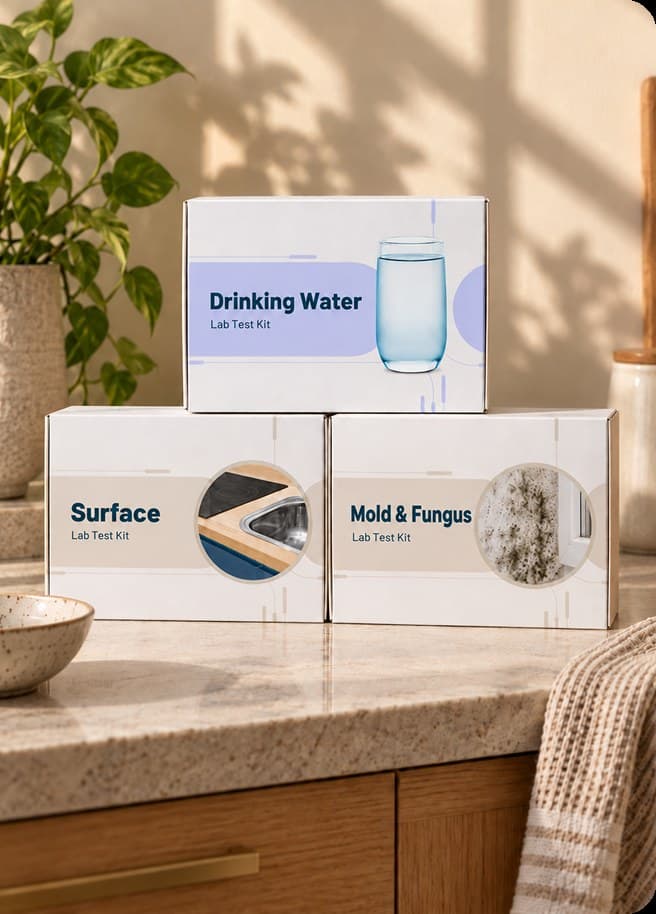
Nestwell kit boxes on a kitchen counter

Why Nestwell?

CapabilityNestwellHardware Store StripsIn Person Inspector
Samples from across your homeYesOne sample, one placeYes
Real exposure concentrationsYesPaper colour keySometimes
Accredited lab, regulatory methodsYesNoSometimes
Nobody has to come into your homeYesYesNo
Results tracked over time in one placeYesNoOne time result

A number is only useful next to its limit.

At Nestwell, we provide science backed ranges for all the exposures in your home, allowing for personalized suggestions of in home remediation.

Accredited labs only

Samples are analysed by accredited environmental laboratories using the analytical methods used for regulatory compliance work: the same reading a professional consultant would order.

Each result has a standard

A number on its own is not an answer. The EPA action level for lead in water is 15 ppb; the CDC states there is no safe level of lead exposure for children. Each finding is shown against the limit that applies to it.

Where there is no limit, we say so

The EPA sets no numeric limit for mold, and moisture control is the real remedy. Mold results are reported as what is growing and at what relative level, never as just a pass or a fail.

Medical advisors

Built with leading medical experts

Dr. Malathi Srinivasan

Dr. Malathi Srinivasan

Clinical Professor of Medicine, Primary Care and Population Health

Stanford University

“Our physical & home environment is a direct determinant of our health, and is immunoregulatory. In a year, we breathe about 6 million times, drink 250 gallons of liquid, and eat almost 2 tons of food, with hundreds of compounds interacting on our skin and immune systems. Small environmental changes make a big difference, especially in early childhood development and for vulnerable adults.”

Frequently Asked Questions

Have questions? Find answers to common customer concerns below.

What does the Drinking Water Test: Level 2 + Bacteria actually measure?

The panel runs 113 measures, covering Volatile organic compounds (VOCs), Metals, Water properties and Inorganic compounds. Every one is listed on this page with its detection limit, so you can check for a specific substance before you buy.

How do I take the sample?

Fill the bottles from the tap you drink from, first thing in the morning before anyone has run the water. That first draw is the water that has been sitting in your own pipes overnight, which is where lead and copper show up. It takes about 5 minutes, and everything you need comes in the box.

How long until I get results?

The kit reaches you in about 3 days. Once the lab receives your sample, results appear in your Nestwell account in about 15 days. Return shipping is prepaid and included.

Who analyses the sample?

An accredited environmental laboratory, using published analytical methods — the same methods and the same labs used for regulatory and commercial testing. Nestwell does not run the analysis itself.

Why do some substances on the panel have explanations and others do not?

Our advisors have written up 92 of the 113 measures on this panel so far. The rest are still measured, reported and held to the same detection limits — they are listed under "Also measured" until the write-up exists. We would rather show you the gap than fill it with something we have not checked.

What happens if something comes back high?

Your results are shown against the relevant reference values rather than as a bare number, so you can see which measures stand out and by how much. The lab reports what it measured; it does not diagnose, and a lab result is not medical advice.

Can I pay with an HSA or FSA?

Most Nestwell kits are HSA/FSA eligible through Truemed. Eligibility is shown on the kit page at checkout, and where it applies you can pay with pre-tax dollars.

Free. 3 minutes. No card required.

Not quite ready for testing? Get your home health score with no commitment.

Get my score
$284