Now accepting HSA/FSA. Pay with pre-tax dollars at checkout
Nestwell
Drinking Water Test: Level 1 + Bacteria
53
Lab markers
10
Days until results

Drinking Water Test: Level 1 + Bacteria

Water lab test kit

Price

$185

The broad first look at your drinking water: the metals and minerals it carries, the shape of the water itself, and whether bacteria are getting in.

  • 30-day money-back guarantee
  • Free 2-day shipping

What’s included

  • All sampling materials
  • Easy-to-follow instructions
  • Full contaminant details for your address
  • Prepaid 2-day return shipping
  • Accredited lab network
  • Regulatory analytical methods
  • Per-location results
  • Scored against EPA + CDC standards
  • HSA/FSA eligible via TrueMed

It’s worth testing for if…

  • You have never tested, and want one test that covers the common ground
  • You are on a private well and have no utility report to read
  • You have just moved in and do not know the plumbing

What is in your water?

53 measurements
Drinking Water Test: Level 1 + Bacteria

Three different kinds of thing arrive in one panel. The metals are mostly geology and plumbing: arsenic and uranium come out of the rock an aquifer runs through, while lead and copper dissolve out of your own pipes, solder and brass fittings on the way to the tap. The inorganics are what people put on the land — nitrate from fertiliser and septic systems, fluoride added or naturally present. The bacteria are not measured for themselves but as an indicator: coliforms mean surface water is finding a way in, and whatever else is out there can follow the same path.

How to Test

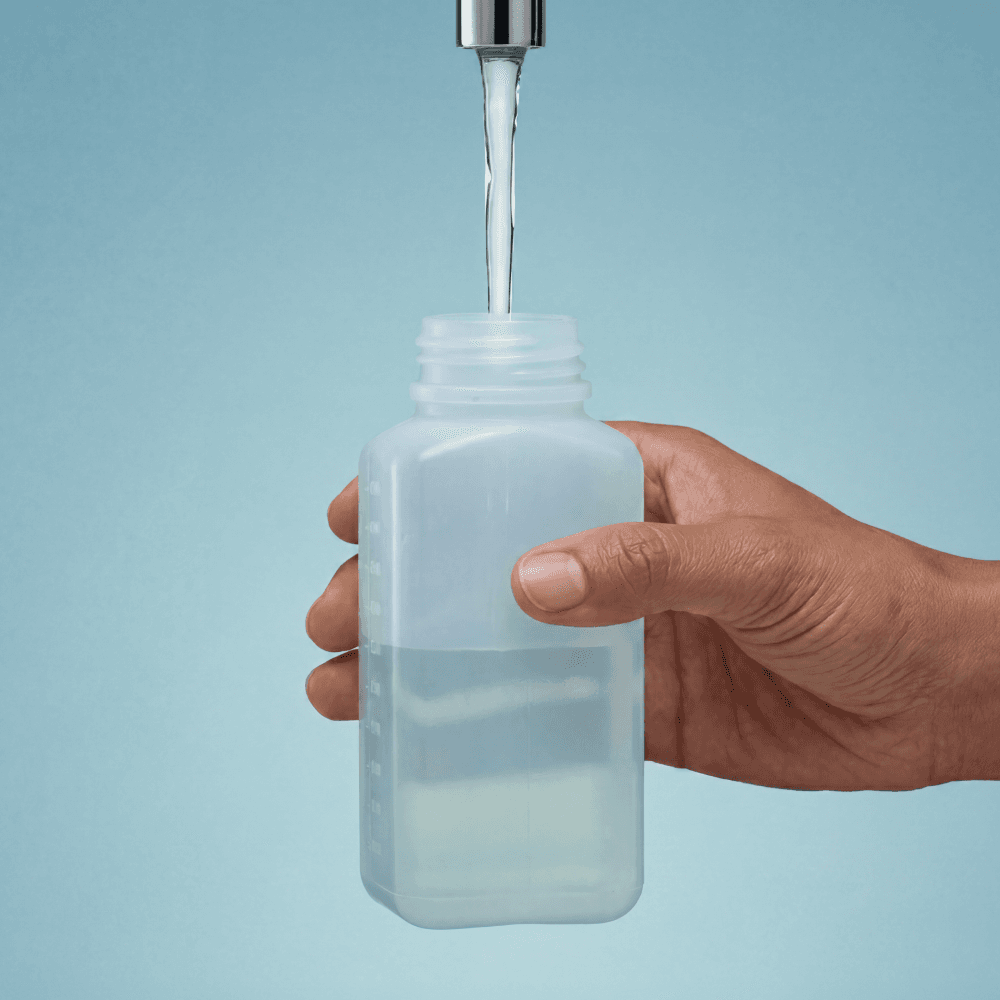
Fill the bottles from the tap you drink from, first thing in the morning before anyone has run the water. That first draw is the water that has been sitting in your own pipes overnight, which is where lead and copper show up.

Supports concern around

The brain and nervous system, short-term toxic effects at high doses, fertility and reproduction, cancer, allergies and skin irritation.

30 of the 53 substances this kit measures have a hazard classification on file. The other 23 do not yet — which means nothing has been established about them either way.

Every measurement, explained

At Nestwell, we provide science backed ranges for all the exposures in your home, allowing for personalized suggestions of in home remediation.

53 measures across 5 groups, 40 of them written up by our advisors. Open a group to read what it covers.

  • Aluminum

    Hazardous

    What it is

    A common metal that can enter water from natural sources and from chemicals used in water treatment.

    Can be linked to

    • The brain and nervous system

    Not well-established as a health risk at typical water levels, but some research suggests a possible link to neurological effects at high exposure.

    detects to 0.0384 ppm

  • Strontium

    Hazardous

    What it is

    A naturally occurring metal found in groundwater from rock and mineral deposits.

    Can be linked to

    • Development in children
    • Muscles and bones

    Not to be confused with radioactive Strontium-90 — at high levels, natural strontium may affect bone development in children.

    detects to 0.00645 ppm

  • Uranium

    Hazardous

    What it is

    A naturally occurring radioactive metal that dissolves into groundwater from certain rock formations.

    Can be linked to

    • Cancer
    • The brain and nervous system
    • Short-term toxic effects at high doses

    Can damage the kidneys at elevated levels; also poses a radiation risk that may increase cancer risk with long-term exposure.

    detects to 0.001 ppm

  • Vanadium

    What it is

    A metal that enters water from natural deposits, industrial pollution, and oil refining.

    May cause intestinal cramping, nausea, and mild neurological effects at elevated levels; being studied for potential developmental effects.

    detects to 0.0005 ppm

  • Beryllium

    Hazardous

    What it is

    A lightweight metal that can enter water from industrial waste, coal burning, and natural rock erosion.

    Can be linked to

    • Cancer
    • The brain and nervous system
    • Short-term toxic effects at high doses
    • Breathing and asthma
    • Allergies and skin irritation
    • The digestive system

    Long-term exposure may cause intestinal damage and bone disease; it is considered a potential human carcinogen.

    detects to 0.0005 ppm

  • Cadmium

    Hazardous

    What it is

    A toxic metal found in soil from industrial waste, fertilizers, and old mining operations.

    Can be linked to

    • Cancer
    • The brain and nervous system
    • Fertility and reproduction
    • Short-term toxic effects at high doses
    • The kidneys

    Long-term exposure can cause kidney damage, weakened bones, and is classified as a known human carcinogen (lung cancer).

    detects to 0.0005 ppm

  • Chromium (Total)

    Hazardous

    What it is

    A metal found in soil from industrial waste, leather tanning, and natural deposits — includes both safe and toxic forms.

    Can be linked to

    • The brain and nervous system
    • Breathing and asthma
    • Allergies and skin irritation

    The hexavalent (Cr-6) form is a known carcinogen; overall chromium exposure can affect the liver, kidneys, and respiratory system.

    detects to 0.001 ppm

  • Cobalt

    Hazardous

    What it is

    A naturally occurring metal that enters water from mining, industrial processes, and natural deposits.

    Can be linked to

    • Cancer
    • The brain and nervous system
    • Fertility and reproduction
    • Short-term toxic effects at high doses
    • Breathing and asthma
    • Allergies and skin irritation

    Essential in tiny amounts (as part of vitamin B12), but elevated levels can affect the heart, thyroid, and blood.

    detects to 0.001 ppm

  • Copper

    Hazardous

    What it is

    A naturally occurring metal in soil that's also added through pesticides, fertilizers, and industrial activity.

    Can be linked to

    • The brain and nervous system
    • Short-term toxic effects at high doses
    • Allergies and skin irritation

    Essential in small amounts, but elevated levels in soil can be toxic to plants and, if ingested, can cause stomach and liver problems.

    detects to 0.00065 ppm

  • Lead

    Hazardous

    What it is

    A toxic heavy metal found in soil near older homes (from paint), busy roads (from old leaded gasoline), and industrial areas.

    Can be linked to

    • Cancer
    • The brain and nervous system
    • Fertility and reproduction
    • Development in children
    • Short-term toxic effects at high doses

    Extremely harmful — causes brain damage and learning disabilities in children, and high blood pressure and kidney problems in adults. No safe level of exposure.

    detects to 0.0005 ppm

  • Lithium

    Hazardous

    What it is

    A naturally occurring metal found in some water supplies, also used in batteries and medications.

    Can be linked to

    • The brain and nervous system

    Generally safe at low natural levels, but elevated exposure may affect the kidneys and thyroid; therapeutic doses require medical monitoring.

    detects to 0.018 ppm

  • Manganese

    Hazardous

    What it is

    A naturally occurring metal commonly found in groundwater and well water.

    Can be linked to

    • The brain and nervous system
    • Fertility and reproduction

    Low levels are safe and even nutritious, but high levels can cause a metallic taste and, over time, may affect the nervous system — especially in children.

    detects to 0.001 ppm

  • Mercury

    Hazardous

    What it is

    A toxic form of mercury that can enter water from natural deposits, industrial discharge, and mining operations.

    Can be linked to

    • The brain and nervous system
    • Fertility and reproduction
    • Development in children
    • Short-term toxic effects at high doses
    • Allergies and skin irritation

    Can damage the kidneys and nervous system with long-term exposure; especially concerning for pregnant women and young children.

    detects to 0.00094 ppm

  • Molybdenum

    Hazardous

    What it is

    A naturally occurring metal found in some water supplies from geological sources and industrial activities.

    Can be linked to

    • Fertility and reproduction
    • The kidneys

    Essential in tiny amounts but high levels may cause joint pain, gout-like symptoms, and liver or kidney effects.

    detects to 0.001 ppm

  • Nickel

    Hazardous

    What it is

    A metal found naturally in soil and also introduced from industrial waste, stainless steel production, and burning fossil fuels.

    Can be linked to

    • Cancer
    • The brain and nervous system
    • Fertility and reproduction
    • Breathing and asthma
    • Allergies and skin irritation

    Can cause allergic skin reactions on contact; long-term inhalation of nickel compounds is linked to increased lung and nasal cancer risk.

    detects to 0.0005 ppm

  • Selenium

    Hazardous

    What it is

    A naturally occurring element in soil that's essential in tiny amounts but toxic at higher concentrations.

    Can be linked to

    • The brain and nervous system
    • Fertility and reproduction
    • Short-term toxic effects at high doses
    • Blood and bone marrow
    • The skin

    Small amounts are nutritionally essential, but excessive exposure can cause hair loss, nail brittleness, nausea, and nerve damage.

    detects to 0.0023 ppm

  • Silver

    Hazardous

    What it is

    A metal that can enter water from natural sources, industrial discharge, or antimicrobial water treatment.

    Can be linked to

    • The brain and nervous system
    • Fertility and reproduction
    • Allergies and skin irritation
    • The skin

    Not considered highly toxic, but long-term exposure to high levels can cause argyria — a permanent bluish-gray discoloration of the skin.

    detects to 0.0005 ppm

  • Thallium

    Hazardous

    What it is

    A toxic heavy metal that can enter water from industrial processes, electronics manufacturing, and natural deposits.

    Can be linked to

    • The brain and nervous system
    • Fertility and reproduction
    • Development in children
    • Short-term toxic effects at high doses

    Even low-level exposure can cause hair loss, nerve damage, and kidney problems; it is highly toxic to the nervous system.

    detects to 0.0005 ppm

  • Antimony

    Hazardous

    What it is

    A metal that can leach into water from natural deposits, industrial discharge, or certain plumbing materials.

    Can be linked to

    • Cancer
    • The brain and nervous system
    • Short-term toxic effects at high doses
    • Blood and bone marrow

    Long-term exposure can cause nausea, increased cholesterol, and decreased blood sugar; the EPA regulates it due to potential health effects.

    detects to 0.0027 ppm

  • Arsenic

    Hazardous

    What it is

    A toxic element that occurs naturally in soil and can also come from pesticides, pressure-treated wood, and industrial pollution.

    Can be linked to

    • Cancer
    • The brain and nervous system
    • Fertility and reproduction
    • Short-term toxic effects at high doses
    • The heart and circulation
    • Hormones and the endocrine system

    A known human carcinogen — long-term exposure through contaminated soil or water is linked to skin, lung, and bladder cancers, and can harm nearly every organ.

    detects to 0.0011 ppm

  • Barium

    Hazardous

    What it is

    A naturally occurring metal found in some water supplies from drilling waste and mineral deposits.

    Can be linked to

    • The brain and nervous system
    • Short-term toxic effects at high doses
    • The kidneys

    Long-term exposure to elevated barium levels can cause increased blood pressure and effects on the heart and kidneys.

    detects to 0.0005 ppm

  • Zinc

    Hazardous

    What it is

    A common metal that typically enters water from corroding galvanized pipes, industrial discharge, or natural deposits.

    Can be linked to

    • Blood and bone marrow
    • The immune system

    Not harmful at typical levels and is actually an essential nutrient, but very high concentrations can cause nausea, vomiting, and stomach cramps.

    detects to 0.0018 ppm

Also measured

  • Irondetects to 0.0466 ppm
  • Titaniumdetects to 0.0011 ppm
  • Tindetects to 0.007 ppm

“Detects to” is the method detection limit — the lowest concentration this kit's method can distinguish from zero. The lab may substitute an equivalent or updated method, in which case its limit may differ from the one shown.

What these substances are linked to

Health effects that researchers have associated with the substances on this panel, from the EPA's CompTox database. This describes the substances themselves — not your home. Whether any of them are present, and at what level, is what the test is for.

  • The brain and nervous system22 of the 30 classified substances on this panel — including Arsenic, Cadmium and Copper
  • Short-term toxic effects at high doses14 of the 30 classified substances on this panel — including Arsenic, Cadmium and Copper
  • Fertility and reproduction12 of the 30 classified substances on this panel — including Arsenic, Cadmium and Lead
  • Cancer9 of the 30 classified substances on this panel — including Arsenic, Cadmium and Lead
  • Allergies and skin irritation8 of the 30 classified substances on this panel — including Chloride, Copper and Mercury

30 of the 53 substances this kit measures have a hazard classification on file. The other 23 do not yet — which means nothing has been established about them either way. A classification means a substance has been associated with an effect in published research — usually at doses well above what a home test would find. It is not a diagnosis, and it is not a prediction.

Designed To Understand Your Whole House

A single kit answers one question properly rather than several vaguely. Whichever you start with, it is the same lab, the same methods, and the same reporting — so results from one kit sit beside results from the next, in one place, on the same scale.

Accredited labs, regulatory methods

Every sample is analyzed by an accredited environmental lab with the same methods regulatory testing uses.

Numbers with regulatory context

Results come back as a measured value next to the standard it is judged against, not just a "detected".

One box, no home visit

Everything arrives at once and we tell you both where and how to sample, no outside home inspection needed.

How Nestwell Testing Works

How Collection Works

Understand the science –›

  1. Collect

    Fill the bottles from the tap you drink from, first thing in the morning before anyone has run the water. That first draw is the water that has been sitting in your own pipes overnight, which is where lead and copper show up.

  2. Mail

    Everything goes back in the same box with the prepaid return label. No appointment, nobody in your house, and easy to send back when convenient for you.

  3. Read

    Results land in your Nestwell dashboard in about 10 days, each scored against the standard that applies to it.


A sample bottle being filled at a kitchen tap
Wiping a surface to collect a sample
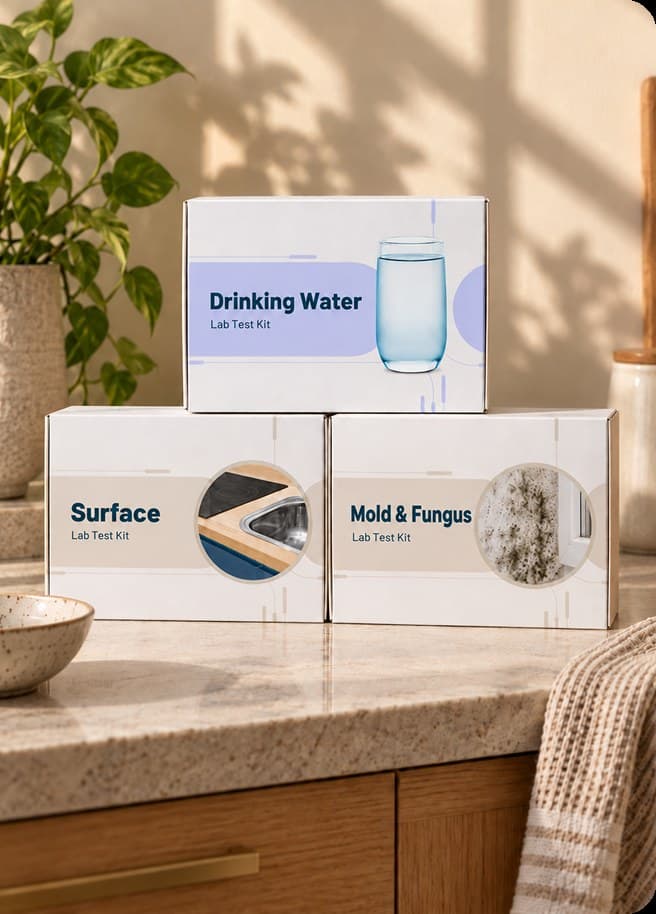
Nestwell kit boxes on a kitchen counter

Why Nestwell?

CapabilityNestwellHardware Store StripsIn Person Inspector
Samples from across your homeYesOne sample, one placeYes
Real exposure concentrationsYesPaper colour keySometimes
Accredited lab, regulatory methodsYesNoSometimes
Nobody has to come into your homeYesYesNo
Results tracked over time in one placeYesNoOne time result

A number is only useful next to its limit.

At Nestwell, we provide science backed ranges for all the exposures in your home, allowing for personalized suggestions of in home remediation.

Accredited labs only

Samples are analysed by accredited environmental laboratories using the analytical methods used for regulatory compliance work: the same reading a professional consultant would order.

Each result has a standard

A number on its own is not an answer. The EPA action level for lead in water is 15 ppb; the CDC states there is no safe level of lead exposure for children. Each finding is shown against the limit that applies to it.

Where there is no limit, we say so

The EPA sets no numeric limit for mold, and moisture control is the real remedy. Mold results are reported as what is growing and at what relative level, never as just a pass or a fail.

Medical advisors

Built with leading medical experts

Dr. Malathi Srinivasan

Dr. Malathi Srinivasan

Clinical Professor of Medicine, Primary Care and Population Health

Stanford University

“Our physical & home environment is a direct determinant of our health, and is immunoregulatory. In a year, we breathe about 6 million times, drink 250 gallons of liquid, and eat almost 2 tons of food, with hundreds of compounds interacting on our skin and immune systems. Small environmental changes make a big difference, especially in early childhood development and for vulnerable adults.”

Frequently Asked Questions

Have questions? Find answers to common customer concerns below.

What does the Drinking Water Test: Level 1 + Bacteria actually measure?

The panel runs 53 measures, covering Metals, Water properties, Inorganic compounds and Minerals. Every one is listed on this page with its detection limit, so you can check for a specific substance before you buy.

How do I take the sample?

Fill the bottles from the tap you drink from, first thing in the morning before anyone has run the water. That first draw is the water that has been sitting in your own pipes overnight, which is where lead and copper show up. It takes about 5 minutes, and everything you need comes in the box.

How long until I get results?

The kit reaches you in about 3 days. Once the lab receives your sample, results appear in your Nestwell account in about 10 days. Return shipping is prepaid and included.

Who analyses the sample?

An accredited environmental laboratory, using published analytical methods — the same methods and the same labs used for regulatory and commercial testing. Nestwell does not run the analysis itself.

Why do some substances on the panel have explanations and others do not?

Our advisors have written up 40 of the 53 measures on this panel so far. The rest are still measured, reported and held to the same detection limits — they are listed under "Also measured" until the write-up exists. We would rather show you the gap than fill it with something we have not checked.

What happens if something comes back high?

Your results are shown against the relevant reference values rather than as a bare number, so you can see which measures stand out and by how much. The lab reports what it measured; it does not diagnose, and a lab result is not medical advice.

Can I pay with an HSA or FSA?

Most Nestwell kits are HSA/FSA eligible through Truemed. Eligibility is shown on the kit page at checkout, and where it applies you can pay with pre-tax dollars.

Free. 3 minutes. No card required.

Not quite ready for testing? Get your home health score with no commitment.

Get my score
$185