- 5
- Lab markers
- 7
- Days until results
Basic Indoor Allergen Test
Dust lab test kit
Price
$350
The allergens actually living in your house dust — dust mite, cat, dog and cockroach proteins, measured where they collect.
- 30-day money-back guarantee
- Free 2-day shipping
What’s included
- All sampling materials
- Easy-to-follow instructions
- Full contaminant details for your address
- Prepaid 2-day return shipping
- Accredited lab network
- Regulatory analytical methods
- Per-location results
- Scored against EPA + CDC standards
- HSA/FSA eligible via TrueMed
It’s worth testing for if…
- Someone in the house has asthma or year-round allergies
- Symptoms are worse at home than anywhere else
- You want to know which allergen to act on first

What are Household allergens?
5 measurements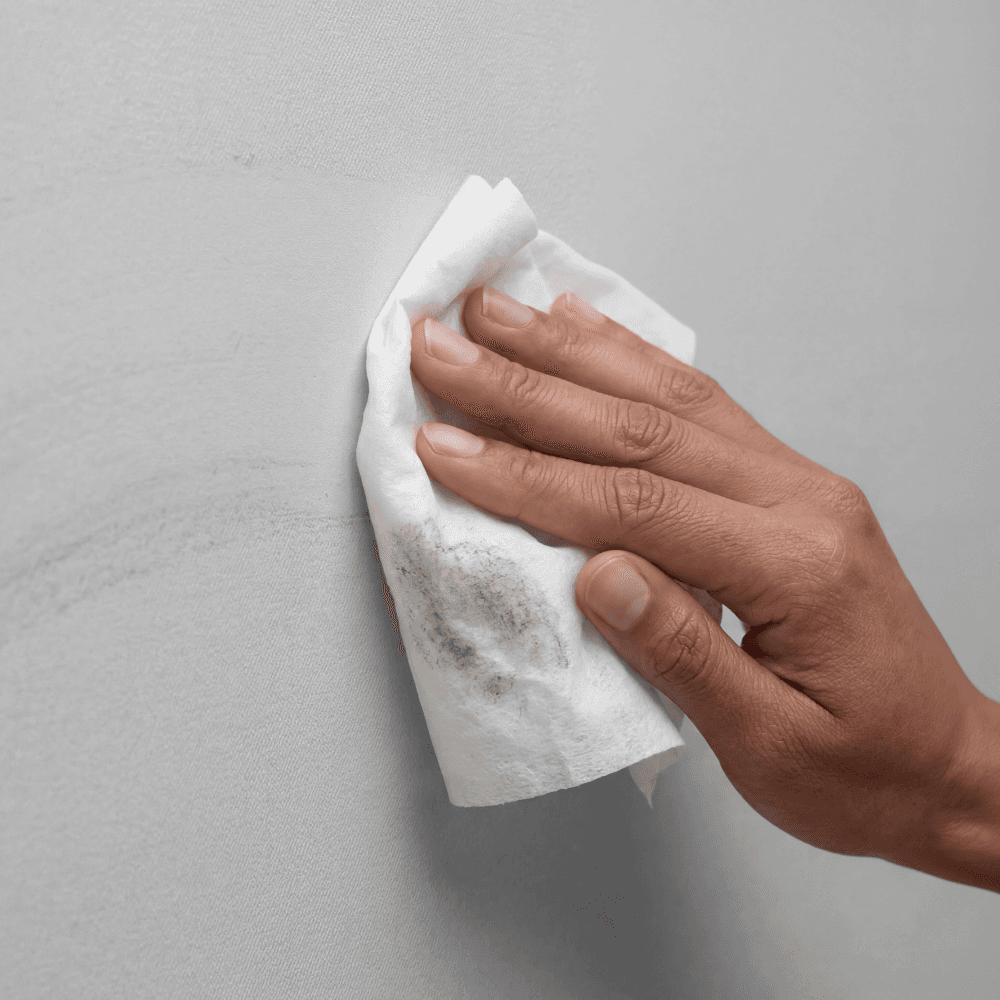
Household allergens are proteins, not chemicals. Dust mites produce them in their waste and live in bedding, upholstery and carpet wherever humidity supports them; cats and dogs shed them in dander and saliva onto every surface in a house; cockroach allergen comes from their droppings and shed parts. All four accumulate in settled dust, which is where people actually meet them — and which is why a vacuum sample is the right way to measure them rather than an air test.
How to Test
Fit the collector to your own vacuum and run it over the carpet, rug or upholstery where people spend time. Settled house dust is where allergens accumulate.
Supports concern around
Breathing and asthma.
All 5 substances this kit measures have a hazard classification on file.
Every measurement, explained
At Nestwell, we provide science backed ranges for all the exposures in your home, allowing for personalized suggestions of in home remediation.
5 measures, 3 of them written up by our advisors. Scroll the cards to read each one.
The proteins from dust mites, pets and cockroaches that collect in carpet, bedding and upholstery. Measured in settled dust, because that is where they accumulate and where people meet them.
Also measured
Dust Mite Allergen (Dermatophagoides farinae) · Dust Mite Allergen (Dermatophagoides pteronyssinus)
“Detects to” is the method detection limit — the lowest concentration this kit's method can distinguish from zero. The lab may substitute an equivalent or updated method, in which case its limit may differ from the one shown.
What these substances are linked to
Health effects that researchers have associated with the substances on this panel, from the EPA's CompTox database. This describes the substances themselves — not your home. Whether any of them are present, and at what level, is what the test is for.
- Breathing and asthma5 of the 5 classified substances on this panel — including Cat Allergen (Felis domesticus), Cockroach Allergen (Blattella germanica) and Dog Allergen (Canis familiaris)
All 5 substances this kit measures have a hazard classification on file. A classification means a substance has been associated with an effect in published research — usually at doses well above what a home test would find. It is not a diagnosis, and it is not a prediction.
Designed To Understand Your Whole House
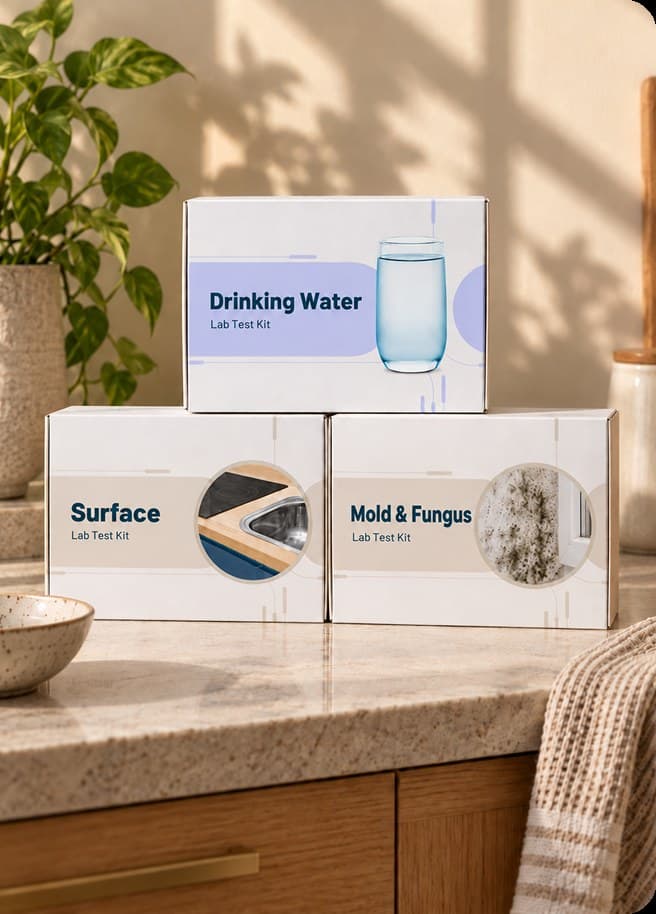
A single kit answers one question properly rather than several vaguely. Whichever you start with, it is the same lab, the same methods, and the same reporting — so results from one kit sit beside results from the next, in one place, on the same scale.
Accredited labs, regulatory methods
Every sample is analyzed by an accredited environmental lab with the same methods regulatory testing uses.
Numbers with regulatory context
Results come back as a measured value next to the standard it is judged against, not just a "detected".
One box, no home visit
Everything arrives at once and we tell you both where and how to sample, no outside home inspection needed.
How Nestwell Testing Works
How Collection Works
Collect
Fit the collector to your own vacuum and run it over the carpet, rug or upholstery where people spend time. Settled house dust is where allergens accumulate.
Mail
Everything goes back in the same box with the prepaid return label. No appointment, nobody in your house, and easy to send back when convenient for you.
Read
Results land in your Nestwell dashboard in about 7 days, each scored against the standard that applies to it.

Why Nestwell?
| Capability | Nestwell | Hardware Store Strips | In Person Inspector |
|---|---|---|---|
| Samples from across your home | Yes | One sample, one place | Yes |
| Real exposure concentrations | Yes | Paper colour key | Sometimes |
| Accredited lab, regulatory methods | Yes | No | Sometimes |
| Nobody has to come into your home | Yes | Yes | No |
| Results tracked over time in one place | Yes | No | One time result |
A number is only useful next to its limit.
At Nestwell, we provide science backed ranges for all the exposures in your home, allowing for personalized suggestions of in home remediation.
Accredited labs only
Samples are analysed by accredited environmental laboratories using the analytical methods used for regulatory compliance work: the same reading a professional consultant would order.
Each result has a standard
A number on its own is not an answer. The EPA action level for lead in water is 15 ppb; the CDC states there is no safe level of lead exposure for children. Each finding is shown against the limit that applies to it.
Where there is no limit, we say so
The EPA sets no numeric limit for mold, and moisture control is the real remedy. Mold results are reported as what is growing and at what relative level, never as just a pass or a fail.
Built with leading medical experts

Dr. Malathi Srinivasan
Clinical Professor of Medicine, Primary Care and Population Health
Stanford University
“Our physical & home environment is a direct determinant of our health, and is immunoregulatory. In a year, we breathe about 6 million times, drink 250 gallons of liquid, and eat almost 2 tons of food, with hundreds of compounds interacting on our skin and immune systems. Small environmental changes make a big difference, especially in early childhood development and for vulnerable adults.”
Frequently Asked Questions
Have questions? Find answers to common customer concerns below.
What does the Basic Indoor Allergen Test actually measure?
The panel runs 5 measures, covering Household allergens. Every one is listed on this page with its detection limit, so you can check for a specific substance before you buy.
How do I take the sample?
Fit the collector to your own vacuum and run it over the carpet, rug or upholstery where people spend time. Settled house dust is where allergens accumulate. It takes about 10 minutes, and everything you need comes in the box.
How long until I get results?
The kit reaches you in about 3 days. Once the lab receives your sample, results appear in your Nestwell account in about 7 days. Return shipping is prepaid and included.
Who analyses the sample?
An accredited environmental laboratory, using published analytical methods — the same methods and the same labs used for regulatory and commercial testing. Nestwell does not run the analysis itself.
Why do some substances on the panel have explanations and others do not?
Our advisors have written up 3 of the 5 measures on this panel so far. The rest are still measured, reported and held to the same detection limits — they are listed under "Also measured" until the write-up exists. We would rather show you the gap than fill it with something we have not checked.
What happens if something comes back high?
Your results are shown against the relevant reference values rather than as a bare number, so you can see which measures stand out and by how much. The lab reports what it measured; it does not diagnose, and a lab result is not medical advice.
Can I pay with an HSA or FSA?
Most Nestwell kits are HSA/FSA eligible through Truemed. Eligibility is shown on the kit page at checkout, and where it applies you can pay with pre-tax dollars.